
New products

Products for fish
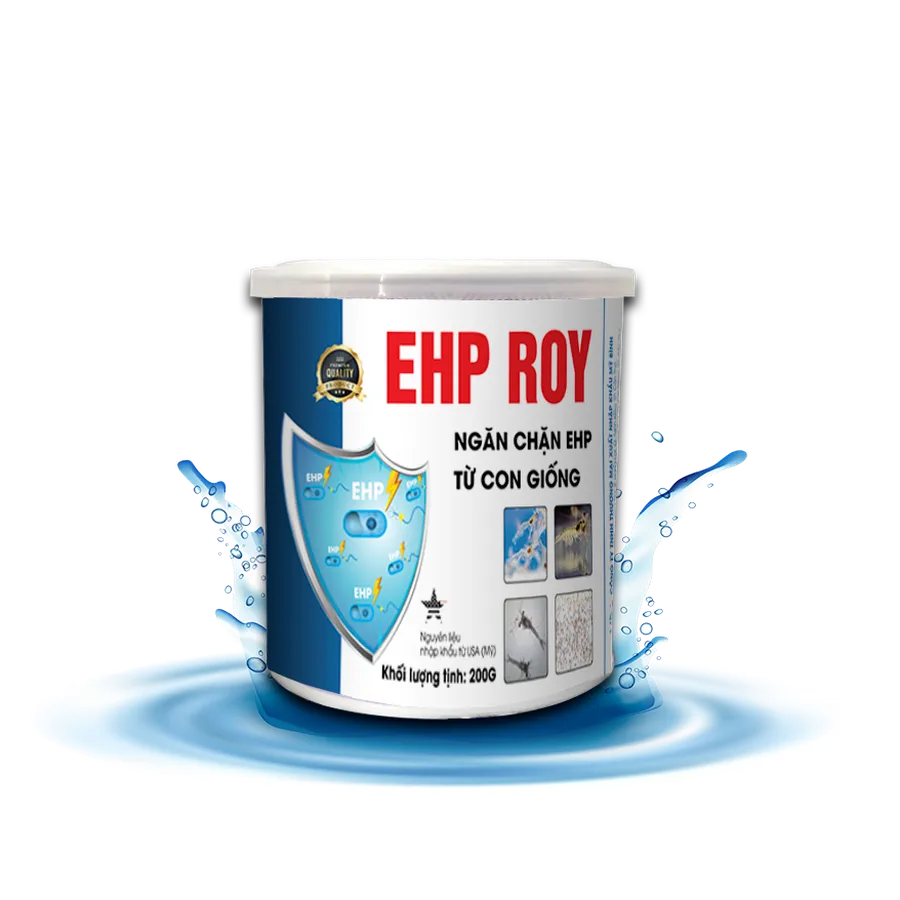
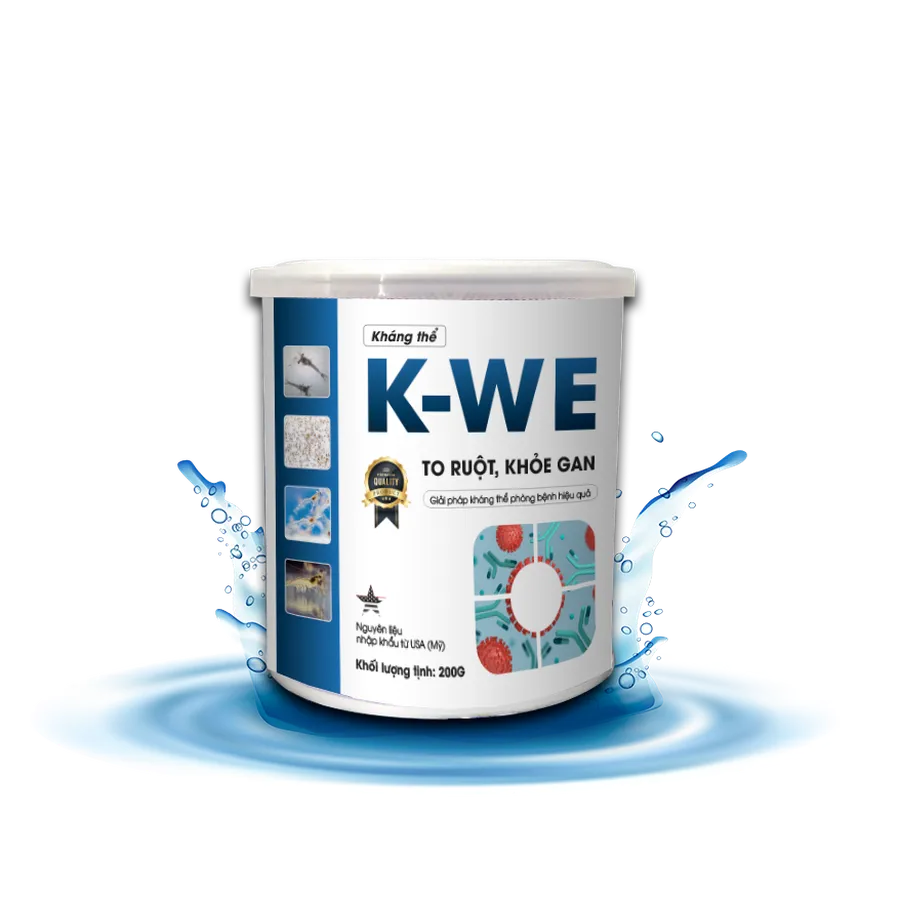
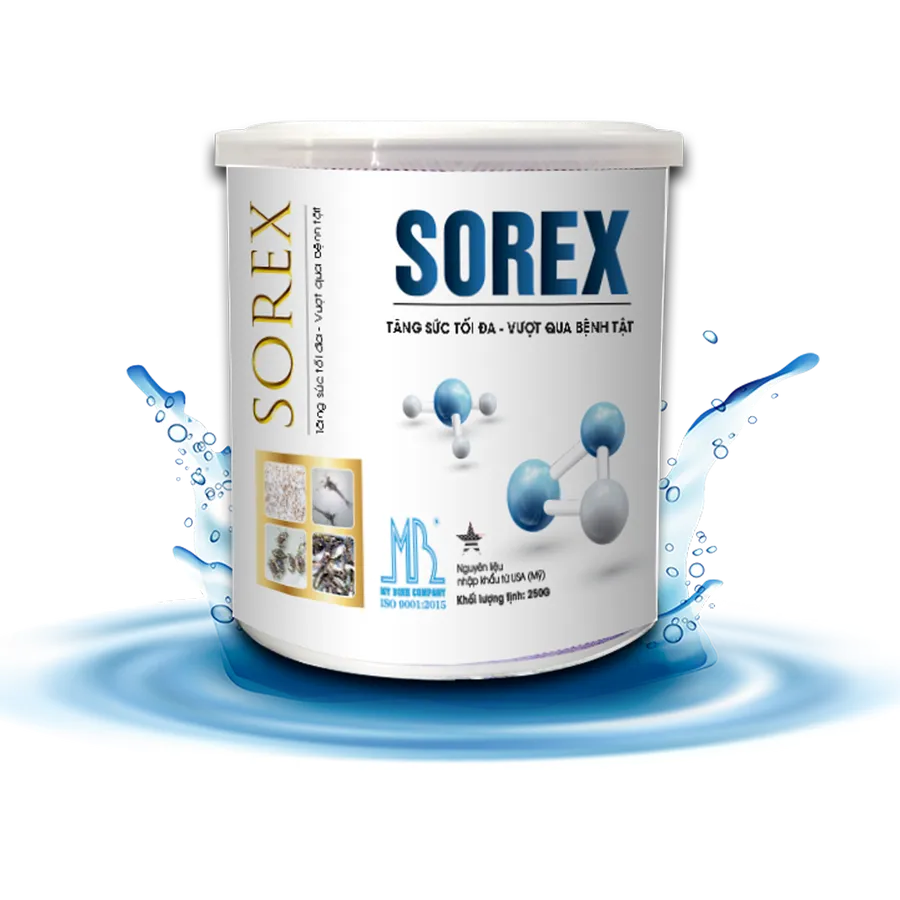
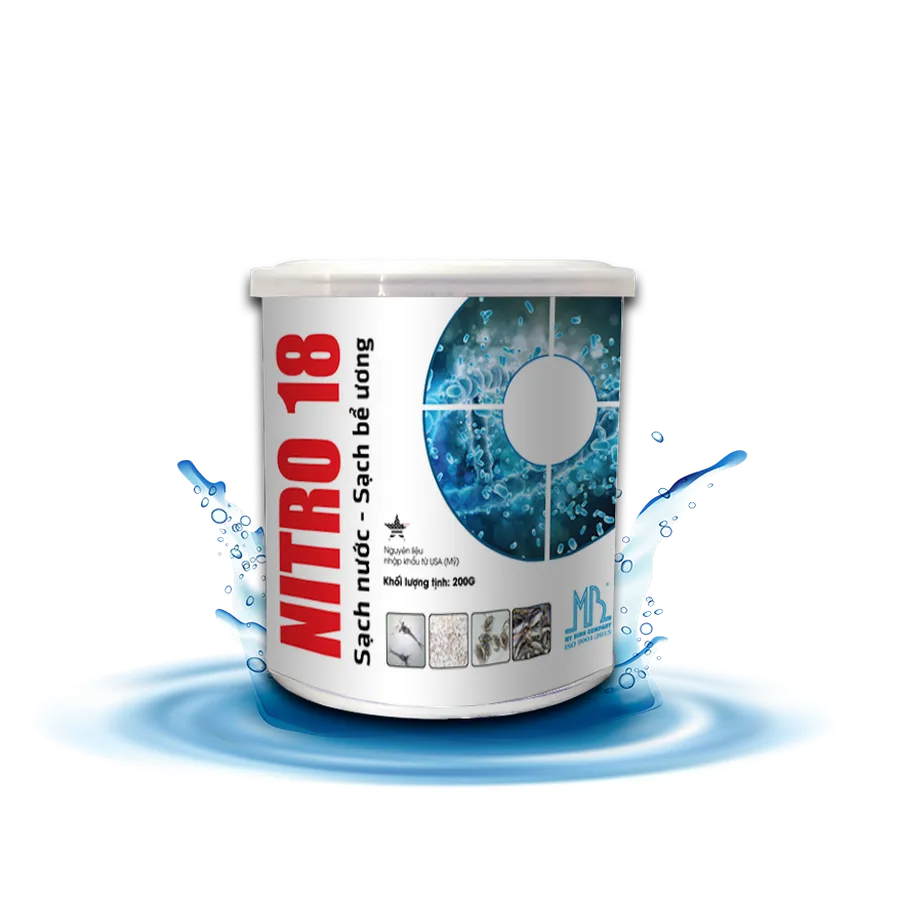

27/07/2026 403 Views
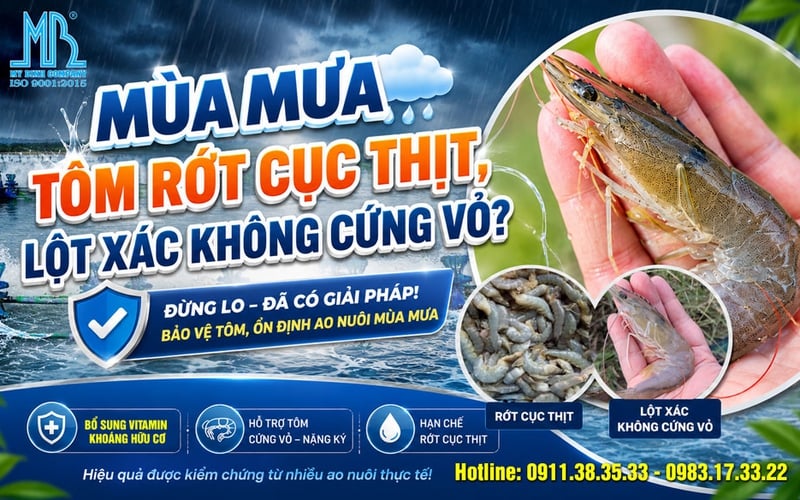
The first rains of the season are often a critical period when many shrimp ponds experience sudden environmental fluctuations. A rapid drop in salinity, pH fluctuations, and changes in dissolved oxygen (DO) levels can cause shrimp stress, surface swimming, soft shells, and meat loss — one of the most concerning signs for shrimp farmers.
13/07/2026 878 Views
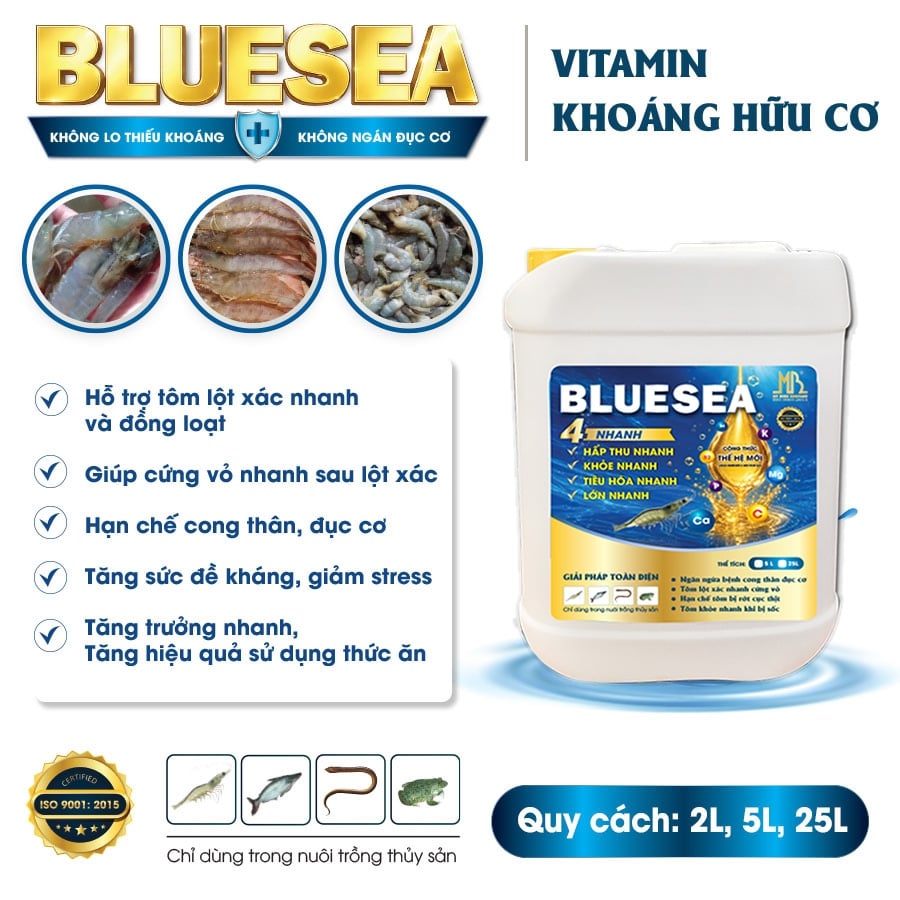
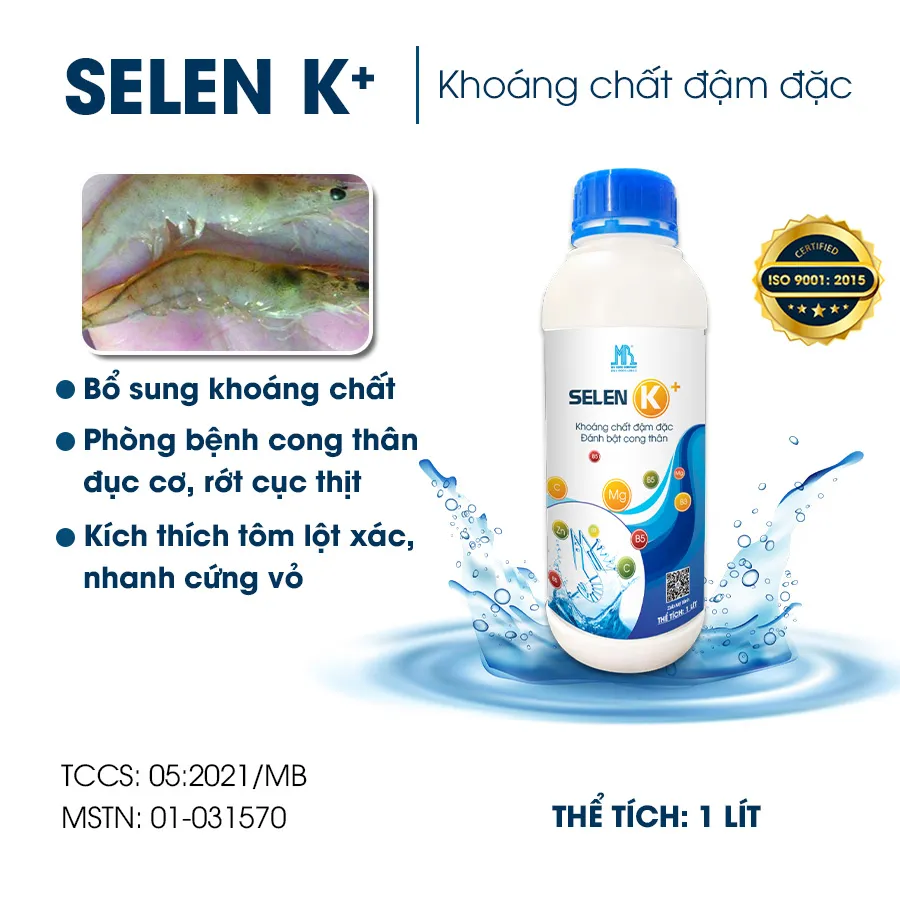
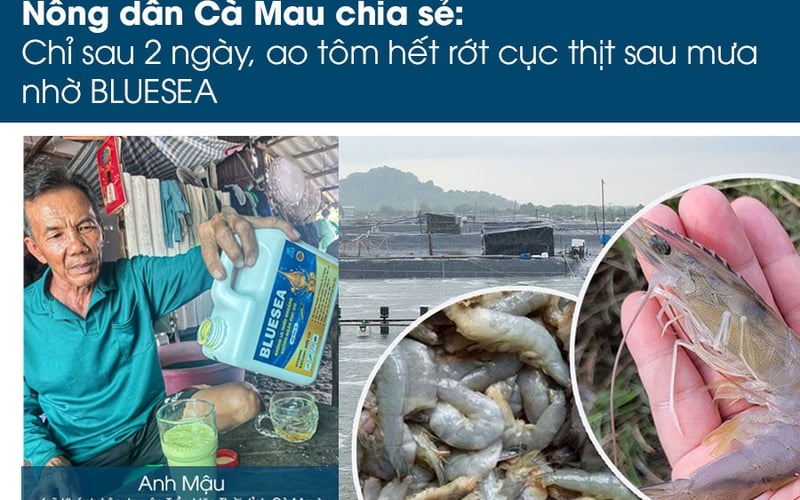
During the rainy season, shrimp are more susceptible to vitamin and mineral deficiency, leading to soft shell shrimp after molting and muscle necrosis in shrimp. These problems can reduce survival rates and overall production performance. Discover the causes and an effective solution with BLUESEA Organic Trace Minerals.

29/06/2026 321 Views
During shrimp farming, minerals play a vital role in shrimp growth, molting, and overall development. However, the early signs of mineral deficiency in shrimp are often difficult to recognize. By the time farmers notice obvious symptoms—such as weak shrimp, slow growth, prolonged soft shells after molting, or increased mortality following molting—the health and performance of the shrimp population have already been significantly affected.
03/06/2026 409 Views
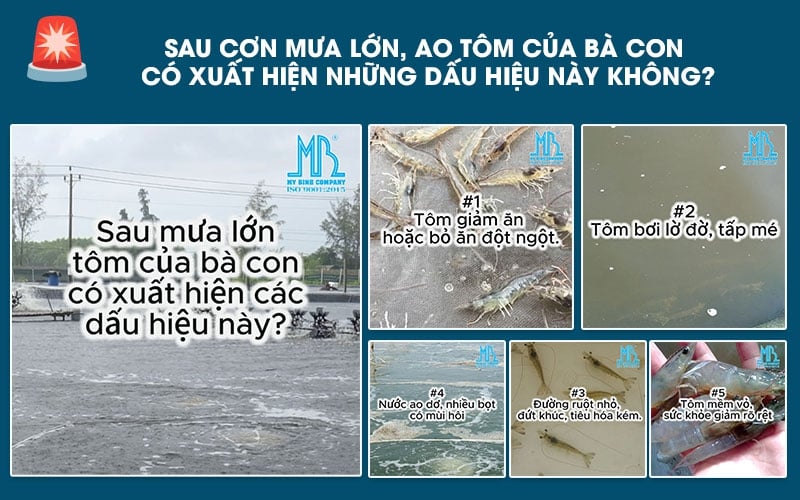
After a heavy rainfall, have you noticed any of these signs in your shrimp pond?
If your pond shows 2 to 3 of the symptoms below, there's a high possibility that your shrimp are experiencing environmental stress, a condition that many farmers may not recognize in time!
27/07/2026 403 Views
The first rains of the season are often a critical period when many shrimp ponds experience sudden environmental fluctuations. A rapid drop in salinity, pH fluctuations, and changes in dissolved oxygen (DO) levels can cause shrimp stress, surface swimming, soft shells, and meat loss — one of the most concerning signs for shrimp farmers.
13/07/2026 878 Views
During the rainy season, shrimp are more susceptible to vitamin and mineral deficiency, leading to soft shell shrimp after molting and muscle necrosis in shrimp. These problems can reduce survival rates and overall production performance. Discover the causes and an effective solution with BLUESEA Organic Trace Minerals.
03/06/2026 409 Views
After a heavy rainfall, have you noticed any of these signs in your shrimp pond?
If your pond shows 2 to 3 of the symptoms below, there's a high possibility that your shrimp are experiencing environmental stress, a condition that many farmers may not recognize in time!

13/05/2026 516 Views
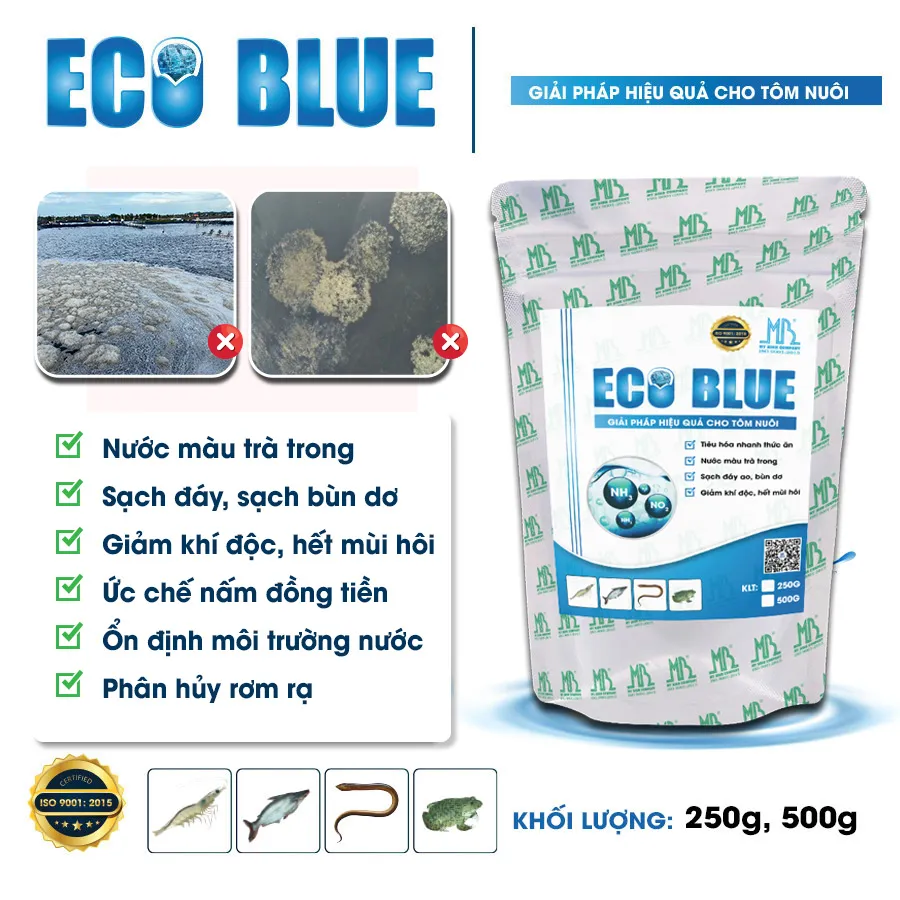
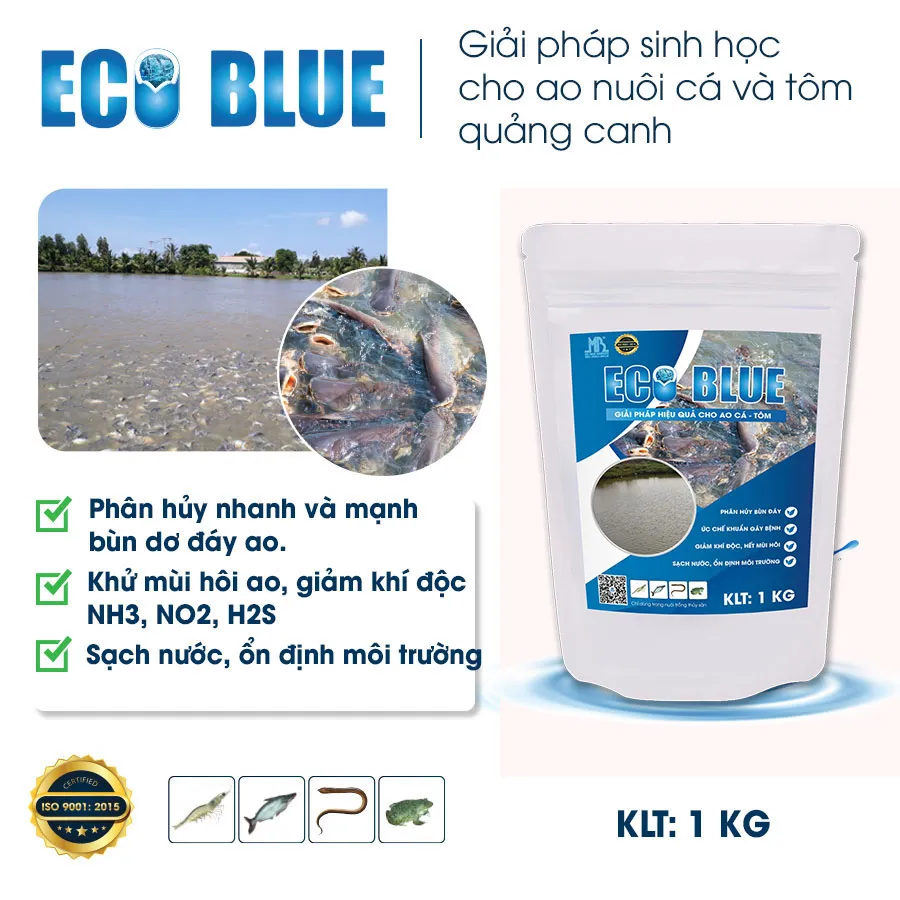
In modern shrimp farming, pond water quality plays a critical role in determining survival rate, growth performance, and the overall profitability of the production cycle. However, many farmers still face common challenges such as unstable water color, organic sludge accumulation on the pond bottom, and elevated levels of toxic gases. These conditions can cause shrimp to grow slowly, become more susceptible to disease, and suffer prolonged mortality losses.