


TIN THUY SAN
25/08/2026 257 Views
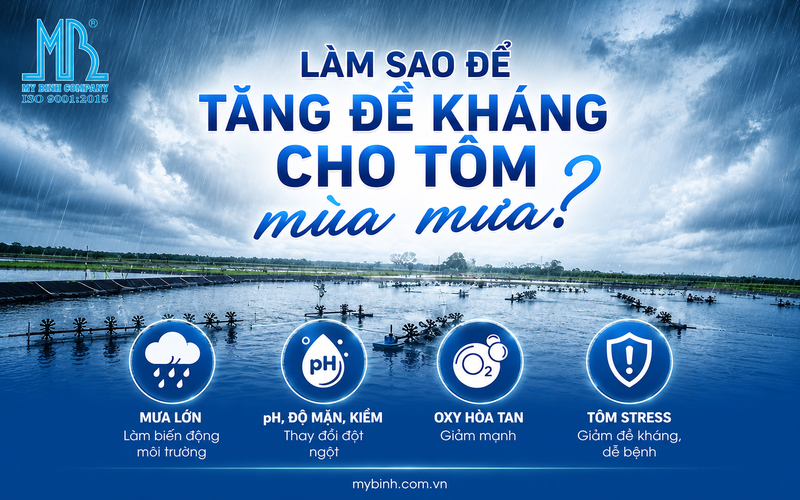
The rainy season is a critical period during which shrimp farmers must pay special attention to the health of their stock. Heavy and prolonged rainfall not only induces water temperature fluctuations but can also cause rapid changes in pH, salinity, alkalinity, and dissolved oxygen (DO) levels.
23/08/2026 270 Views
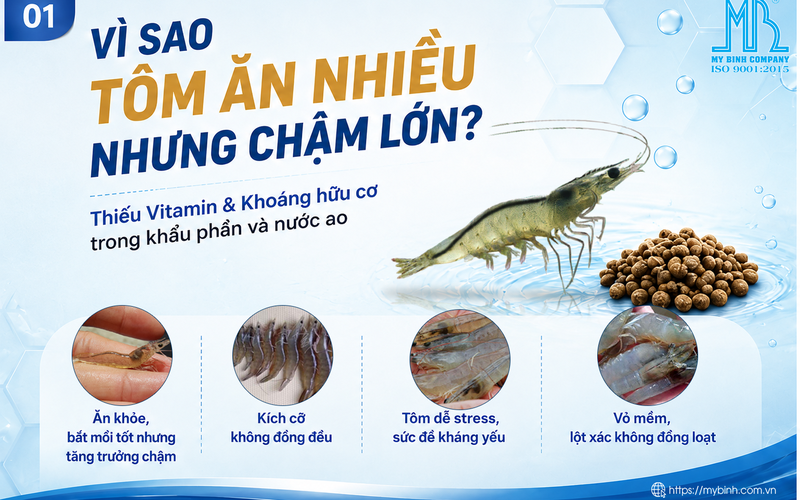
Slow-growing shrimp are a common issue that many shrimp farmers encounter during the production cycle. Feed is supplied to the pond regularly, and the shrimp show good feeding activity. Their gut condition may also appear normal. However, upon closer examination, farmers may find slow shrimp growth, poor weight gain, uneven shrimp sizes, and asynchronous molting.
17/08/2026 336 Views
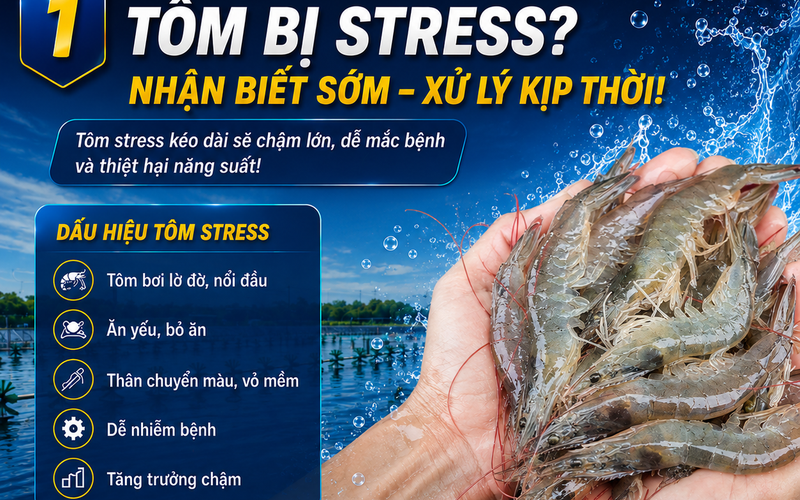
During the culture cycle, shrimp stress is a condition that farmers should not overlook. Heavy rainfall, sudden weather changes, prolonged hot weather, or fluctuations in water quality can all cause environmental stress and shock in shrimp.
27/07/2026 523 Views
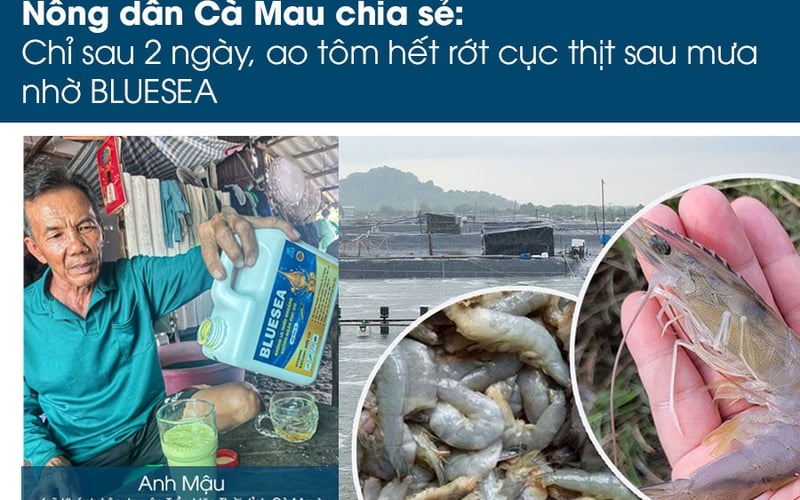
The first rains of the season are often a critical period when many shrimp ponds experience sudden environmental fluctuations. A rapid drop in salinity, pH fluctuations, and changes in dissolved oxygen (DO) levels can cause shrimp stress, surface swimming, soft shells, and meat loss — one of the most concerning signs for shrimp farmers.
13/07/2026 1033 Views
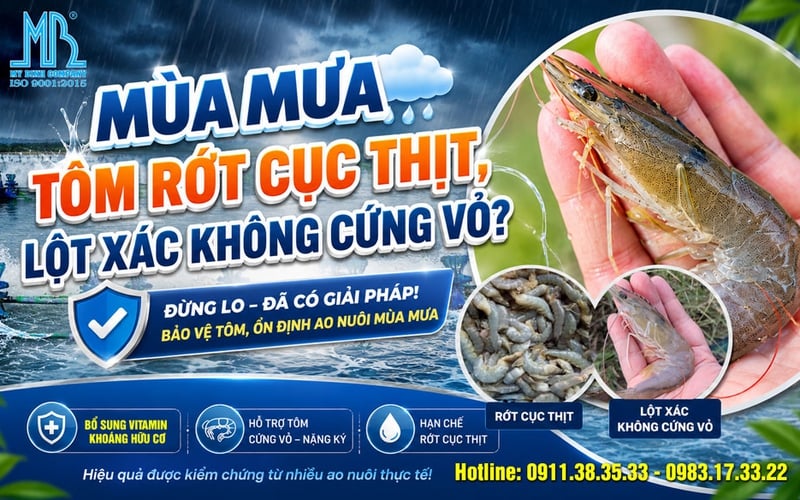
During the rainy season, shrimp are more susceptible to vitamin and mineral deficiency, leading to soft shell shrimp after molting and muscle necrosis in shrimp. These problems can reduce survival rates and overall production performance. Discover the causes and an effective solution with BLUESEA Organic Trace Minerals.
03/06/2026 538 Views
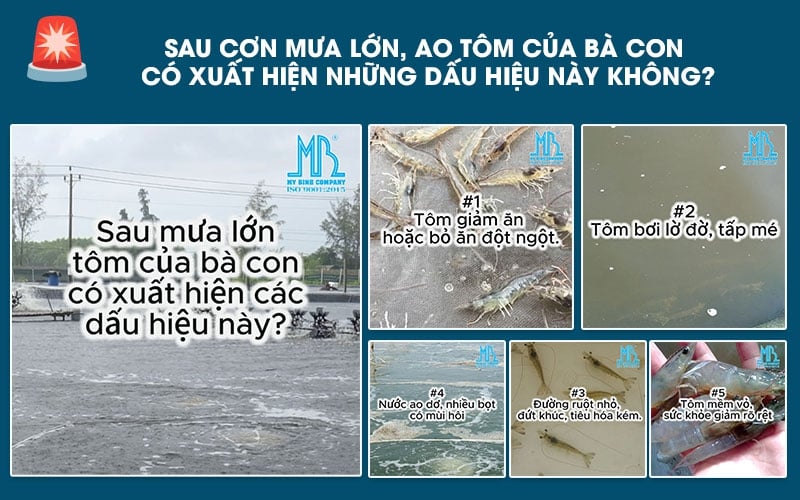
After a heavy rainfall, have you noticed any of these signs in your shrimp pond?
If your pond shows 2 to 3 of the symptoms below, there's a high possibility that your shrimp are experiencing environmental stress, a condition that many farmers may not recognize in time!

13/05/2026 616 Views
In modern shrimp farming, pond water quality plays a critical role in determining survival rate, growth performance, and the overall profitability of the production cycle. However, many farmers still face common challenges such as unstable water color, organic sludge accumulation on the pond bottom, and elevated levels of toxic gases. These conditions can cause shrimp to grow slowly, become more susceptible to disease, and suffer prolonged mortality losses.
29/04/2026 894 Views
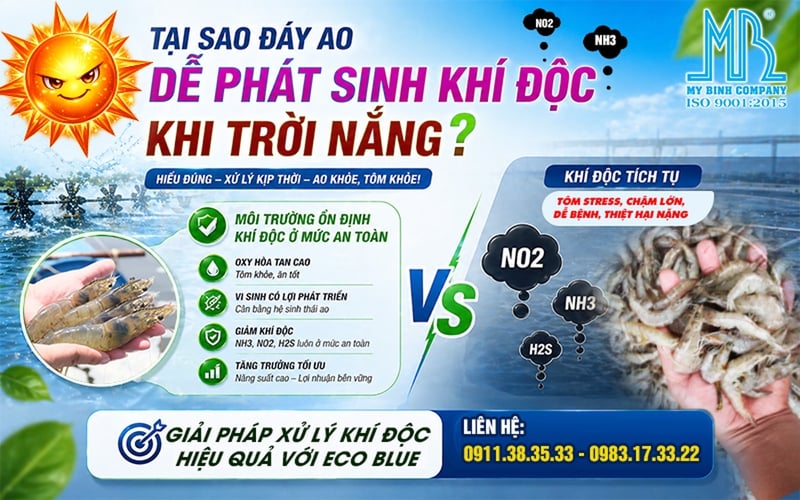
In intensive shrimp farming, toxic gases at the pond bottom are one of the leading causes of reduced feed intake, slow growth, weakened shrimp, and increased risk of disease outbreaks. Especially during prolonged hot weather, the formation of toxic gases such as NH₃, H₂S, and NO₂ at the pond bottom occurs more rapidly and becomes more severe.
27/04/2026 1064 Views
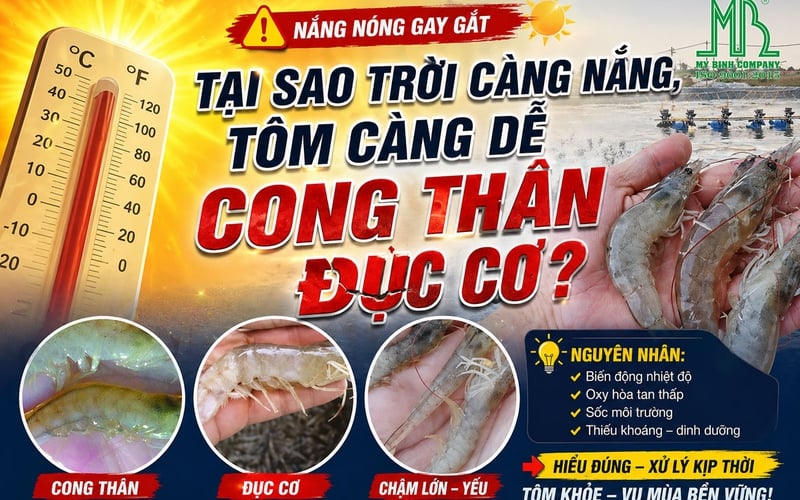
During the hot season, especially when ambient temperatures rise above 33–35°C, many shrimp farmers encounter situations where shrimp show signs of body bending, muscle whitening (muscle opacity), sluggish swimming, and reduced feed intake. These are dangerous warning signs. If not addressed promptly, they can lead to significant losses and, in severe cases, the complete failure of the crop.

31/03/2026 1006 Views
Shrimp farming today is no longer about a good harvest, but balancing costs, risks, and efficiency. Farmers face slow growth, weak feeding, black sludge, toxic gases, foul odors, and recurring diseases like EHP and white feces syndrome. Meanwhile, treatment costs keep rising with inconsistent results.

23/03/2026 1305 Views
In the context of the aquaculture industry facing numerous challenges—especially the situation of “shrimp prices declining while input costs are rising”—shrimp farmers are under significant economic pressure. The need to invest heavily in disinfecting chemicals, antifungal treatments, and expensive probiotic products is eroding their profits.
24/02/2026 1957 Views
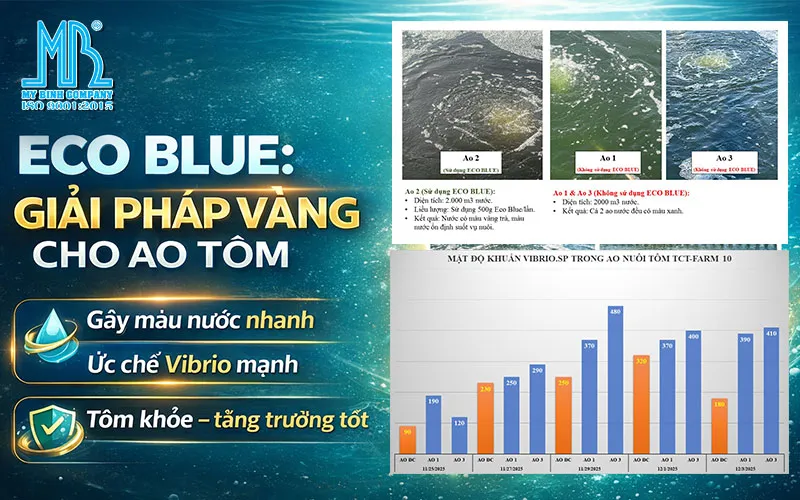
(My Binh) – Based on field surveys conducted at high-tech shrimp farms in Ca Mau, the probiotic product ECO BLUE has demonstrated outstanding effectiveness in stabilizing water color and suppressing Vibrio density to a minimal level, thereby helping shrimp grow healthier and stronger.
21/01/2026 1210 Views
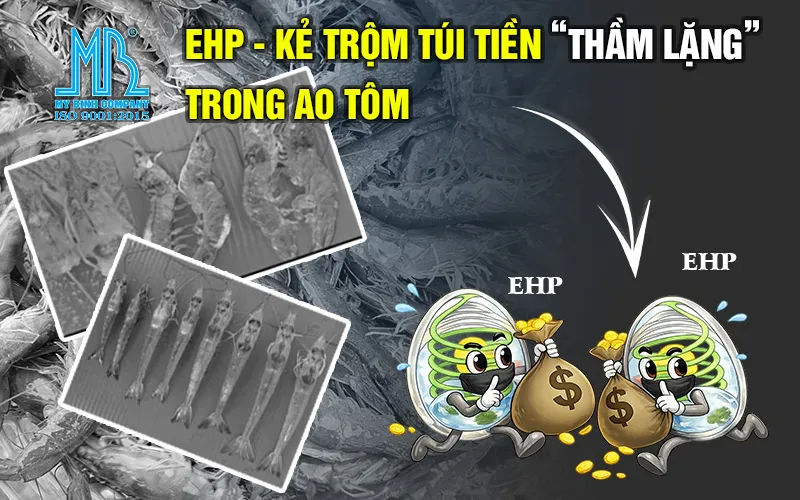
Slow growth and size variation caused by EHP microsporidia are currently the biggest concerns for shrimp farmers. Learn more about the disease mechanism and the most effective solutions to overcome it.
30/12/2025 1539 Views
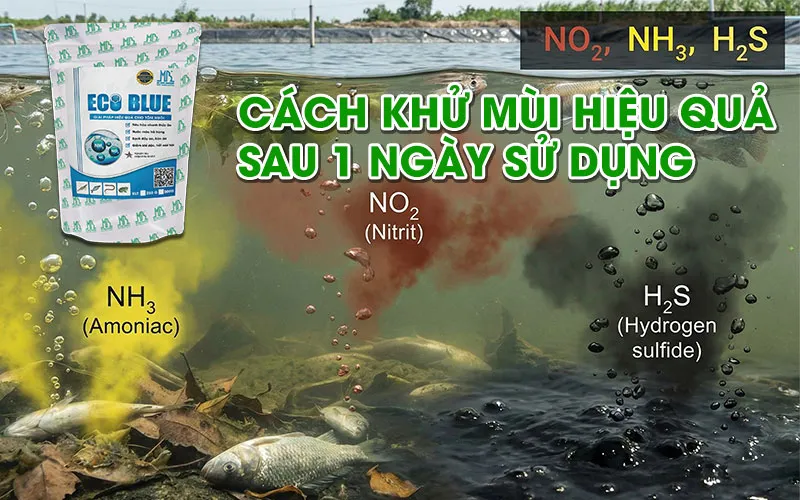
The foul odor coming from aquaculture ponds not only causes discomfort for farm managers but is also a “red alert signal” for the health of shrimp and fish. If not handled promptly, it can become the breeding ground for toxic gases, disease outbreaks, and the failure of an entire farming cycle.
17/12/2025 1541 Views
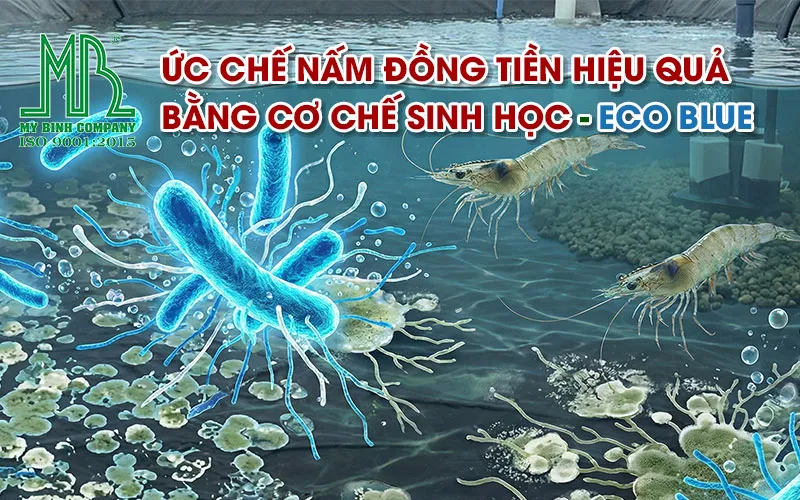
Coin-shaped fungus (dog paw fungus, lichen) has always been ECO BLUE – A biological solution that effectively controls water mold (Saprolegnia) in shrimp farming pondsa persistent nightmare for shrimp farmers, especially in lined ponds. It not only contaminates the water environment but is also a direct cause of serious intestinal diseases in shrimp.
27/10/2025 2288 Views
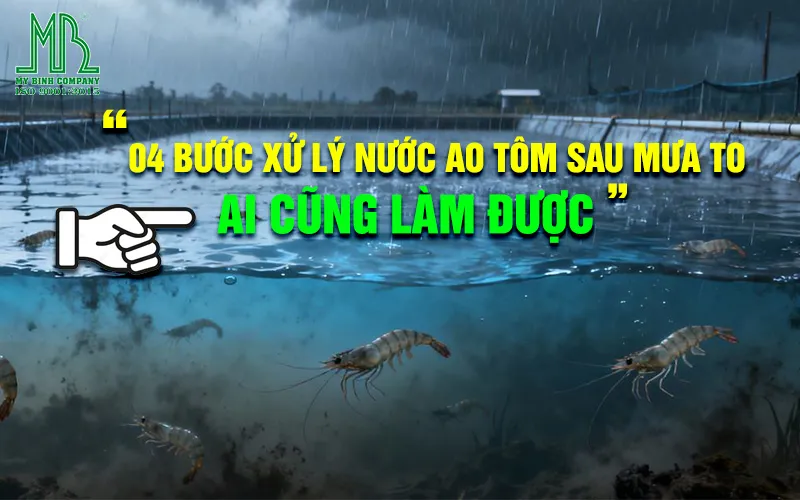
Prolonged heavy rainfall causes severe fluctuations in shrimp ponds: pH drops, salinity changes, algae collapse, and toxic gases increase, making shrimp more vulnerable to stress and intestinal diseases. Farmers need to clearly understand the four key steps to treat shrimp pond water after heavy rain to stabilize the environment and effectively prevent disease. This article provides detailed guidance that anyone can apply.
18/09/2025 1503 Views
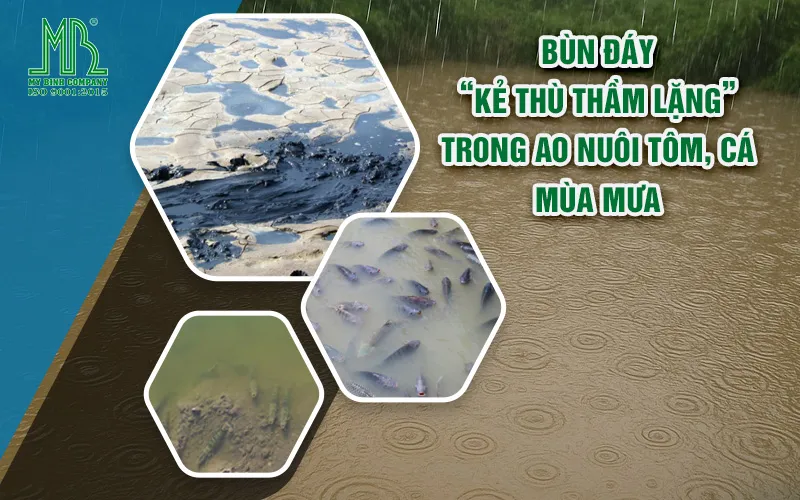
Rainwater and accumulated sludge not only pollute pond water but also seriously affect the health of shrimp and fish in aquaculture ponds, causing environmental stress, poisoning, rapid bacterial growth, and making cultured shrimp and fish more susceptible to diseases. So what is the effective solution to help shrimp and fish stay healthy during the rainy season?