


Shrimp pond water treatment after heavy rainfall in 4 Steps – Anyone Can Do It
Prolonged heavy rainfall causes severe fluctuations in shrimp ponds: pH drops, salinity changes, algae collapse, and toxic gases increase, making shrimp more vulnerable to stress and intestinal diseases. Farmers need to clearly understand the four key steps to treat shrimp pond water after heavy rain to stabilize the environment and effectively prevent disease. This article provides detailed guidance that anyone can apply.
1. Deterioration of shrimp pond water quality after heavy rain
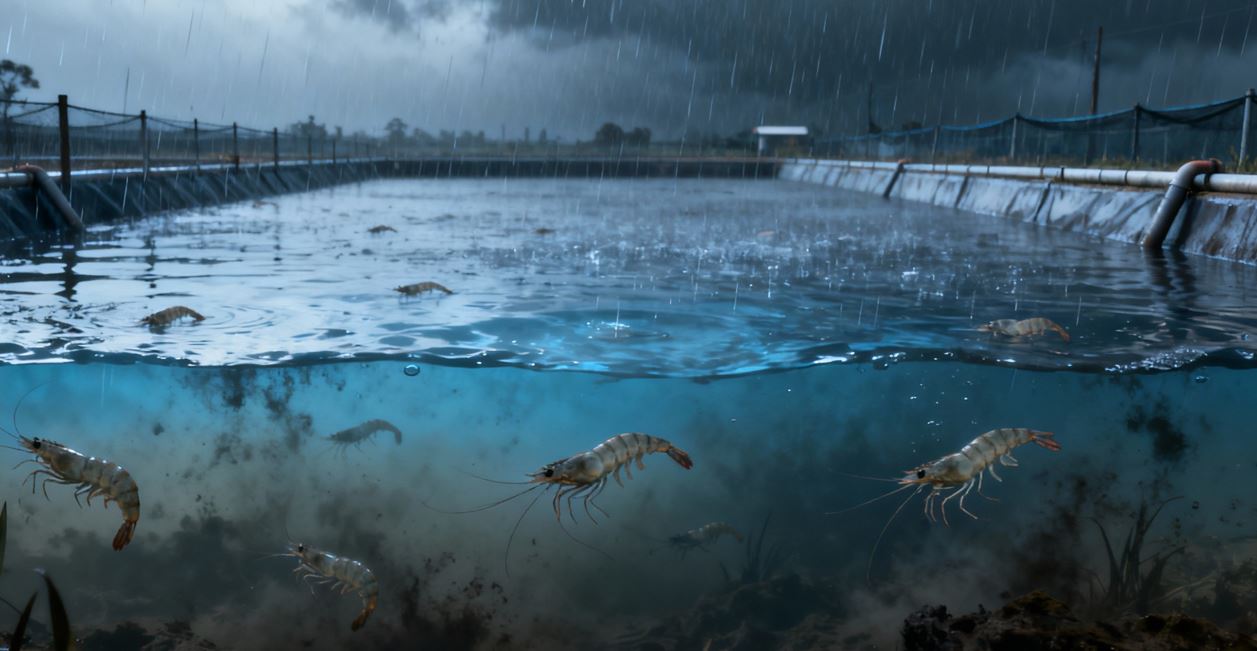
Sudden heavy rainfall causes rapid changes in shrimp pond environmental parameters. Diluted rainwater reduces salinity, pH, and alkalinity, leading to stress and shock in shrimp. Water stratification between the surface and bottom layers can easily result in localized oxygen depletion, causing shrimp to surface or die sporadically.
In addition, heavy rain often triggers massive algal die-off, resulting in abnormal pond water coloration. The decomposition of dead algae produces toxic gases such as NH₃, H₂S, and NO₂, which are directly harmful to shrimp. At the same time, the accumulation of undecomposed organic matter further promotes the growth of harmful bacteria and parasites.
If timely management measures are not applied, shrimp ponds after rainfall will lose ecological balance, leading to slow growth, weakened immunity, and increased susceptibility to intestinal and hepatopancreatic diseases. This is a major cause of losses in shrimp farming during the rainy season that many farmers tend to overlook.
2. Four effective steps to treat shrimp pond water after rainfall
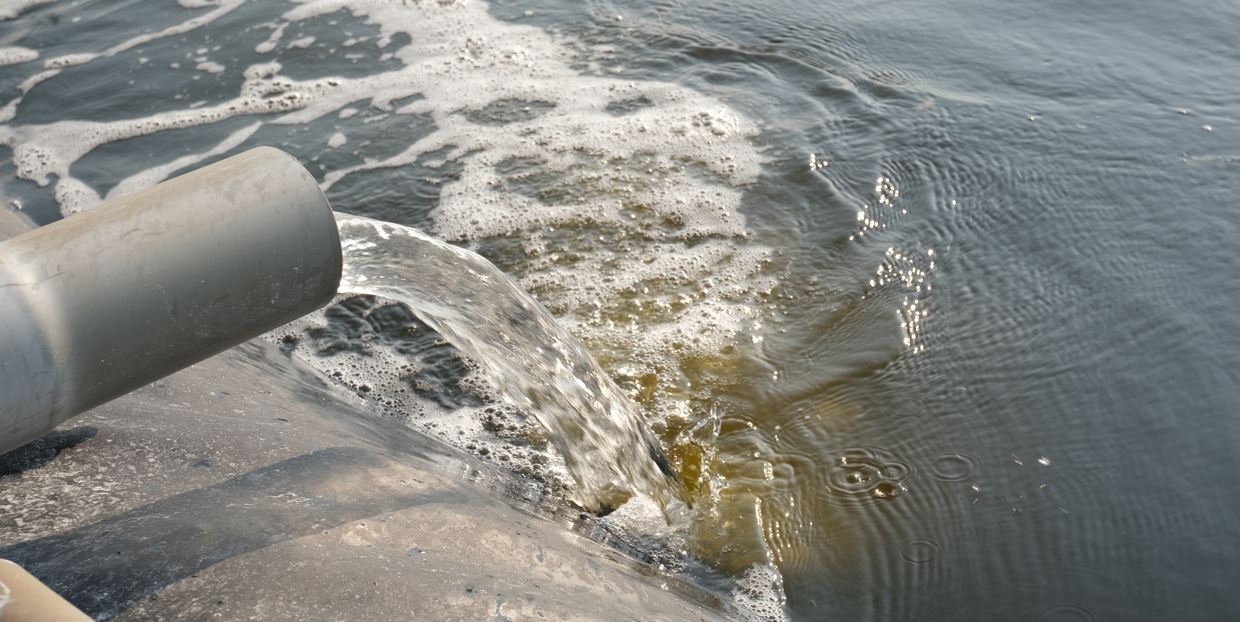
Step 1: Surface water drainage
Immediately after the rain stops, farmers should discharge the surface water layer, which is diluted and contains a high level of acidity. This helps minimize negative impacts on pH and salinity, while also removing dust, debris, and contaminants carried into the pond by rainwater runoff.
Step 2: Stabilize the pond environment
After water exchange or drainage, it is necessary to quickly rebalance the physicochemical parameters. Farmers should supplement VIMIX 90 – multi-trace mineral supplement from My Binh Company. The product helps restore minerals lost after rainfall, stabilize the pond environment, and support smooth molting of shrimp, thereby reducing post-rain stress.
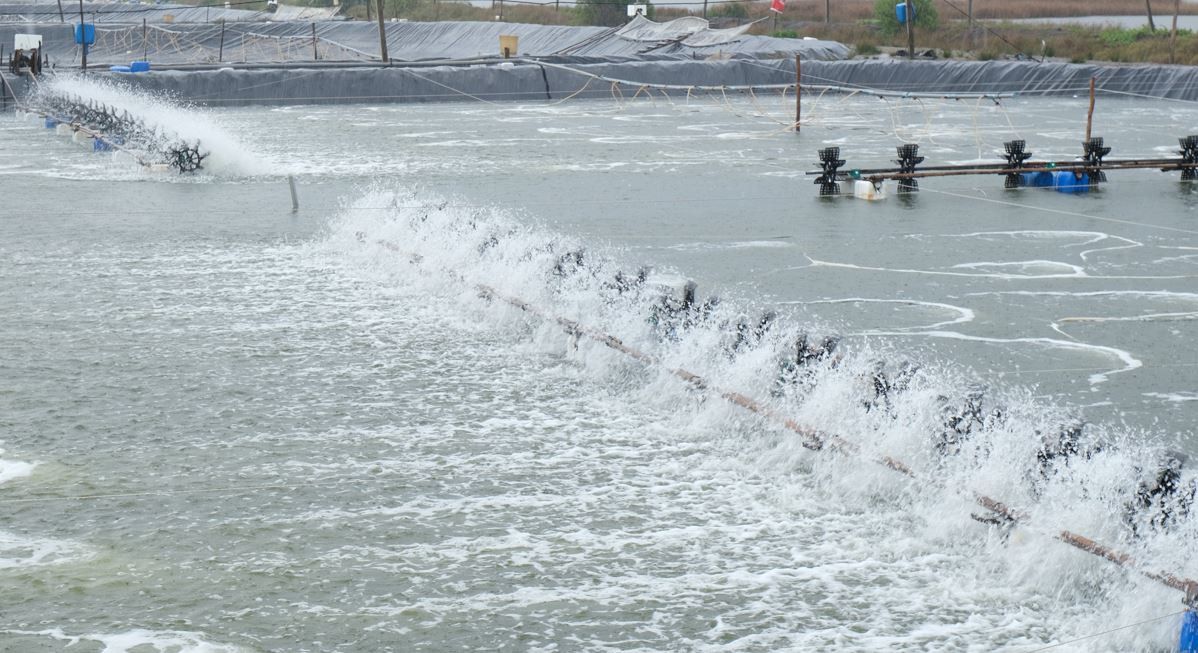
Step 3: Increase oxygen levels and improve water quality
Heavy rainfall often leads to a reduction in dissolved oxygen. Farmers should increase the operation of paddlewheel aerators and continuous aeration to prevent water stratification. At the same time, applying beneficial probiotics for water treatment helps decompose organic matter, limit the formation of toxic gases, and maintain clean, stable pond water.
Step 4: Check shrimp health
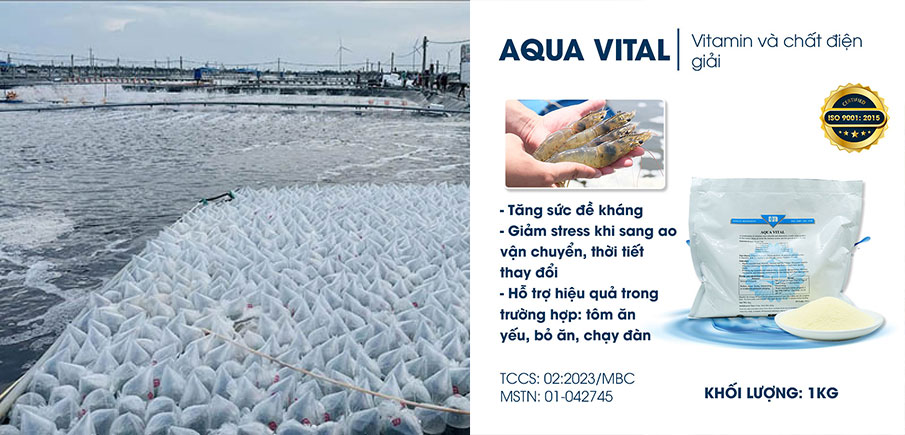
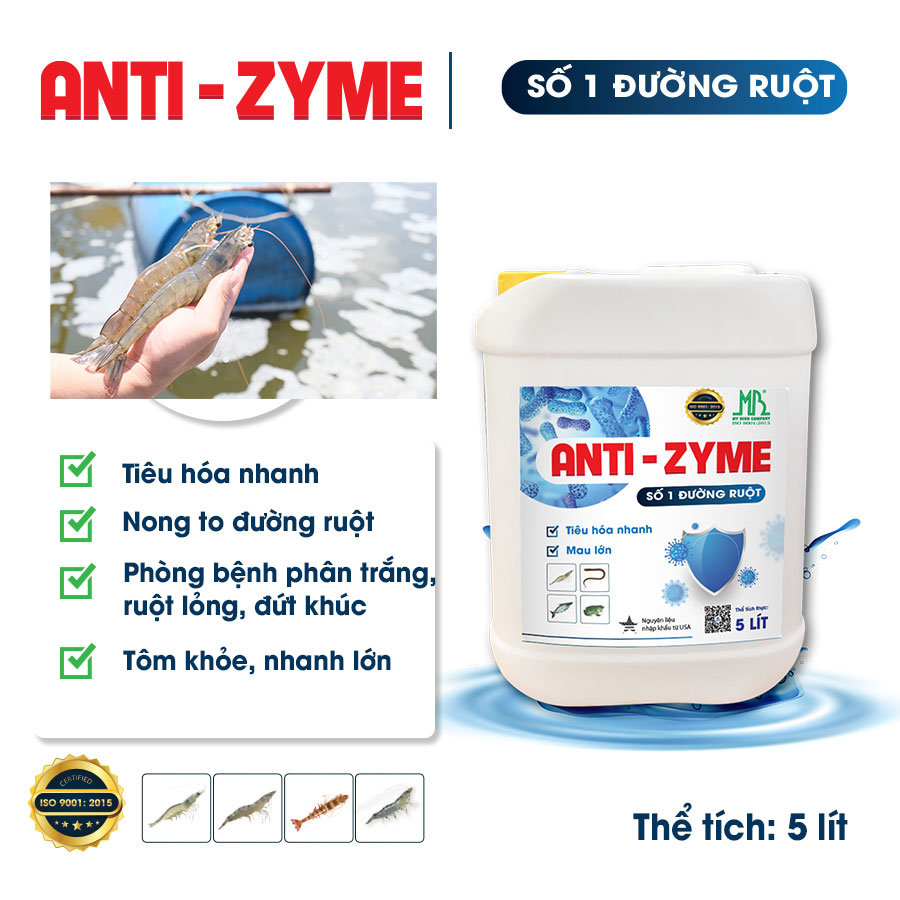
After rainfall, shrimp are prone to reduced feeding and weakness, especially with digestive tract disorders. Farmers should feed shrimp in combination with AQUA VITAL – a solution that maximizes immune resistance – together with ANTI-ZYME, the No.1 gut health product, to help shrimp regain strong feeding activity, stabilize the digestive system, enhance immunity, and thereby effectively prevent intestinal diseases during the rainy season.
3. Common mistakes when treating shrimp ponds after heavy rain
Many farmers tend to be careless after rainfall and do not take immediate corrective actions, causing water quality to gradually deteriorate. Some common mistakes include:
- Failing to drain surface water, leading to diluted salinity and a sharp drop in pH.
- Applying too much lime in a short period of time, causing strong pH fluctuations and stressing the shrimp.
- Not increasing aeration, resulting in low dissolved oxygen at the pond bottom and shrimp surfacing.
- Focusing only on water treatment while neglecting shrimp health management, making shrimp weak and more susceptible to gut and hepatopancreatic diseases.
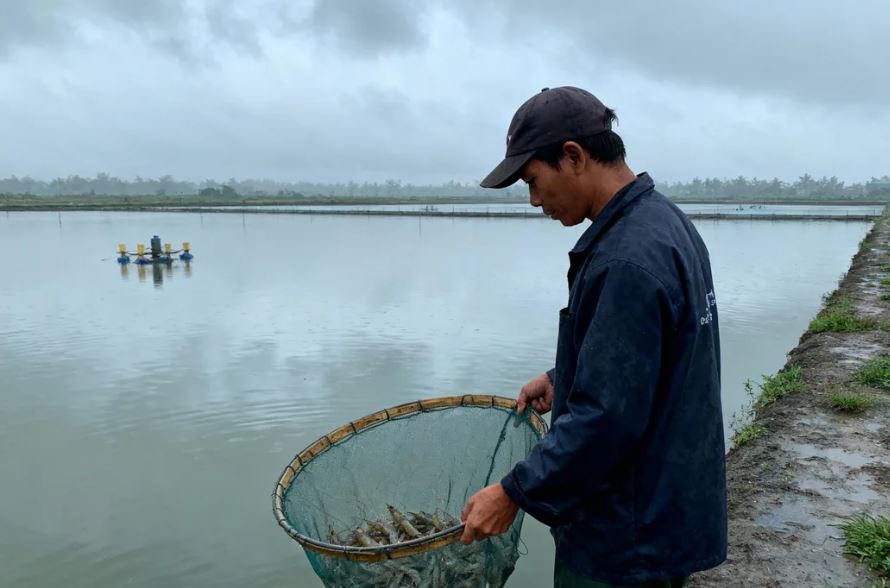
Avoiding the above mistakes will help farmers manage their ponds more effectively and minimize risks during the rainy season.
Treating shrimp pond water after heavy rain is mandatory to protect the shrimp stock and maintain productivity.
For technical consultation, please contact: +84 939 881 532 (WhatsApp, Line, Zalo, Messenger) – My Binh Engineer for detailed support.
Wishing all farmers a successful harvest with good prices!