


When the weather turns cold, do these 5 things immediately if you don’t want your shrimp to “crash to the bottom”!
During seasonal transitions—especially when the weather suddenly turns cold—shrimp farmers are often left extremely anxious. A sharp drop in water temperature not only causes shrimp to stop feeding but also creates favorable conditions for dangerous disease outbreaks. Without timely intervention, mass “bottom-drop” mortality is almost inevitable.
Below are 5 urgent actions farmers must take immediately to protect shrimp during the cold season.
1. Maintain and stabilize water temperature (Prevent thermal shock)
The most suitable temperature for shrimp growth—especially Pacific white shrimp (Litopenaeus vannamei)—is 28–30°C.
When the temperature falls below 25°C, shrimp feeding activity and nutrient metabolism decrease sharply.
If it drops below 18°C, shrimp face a high risk of cold shock and mortality.
Solutions:
- Increase pond water depth: Maintain a water depth of 1.4–1.5 meters. Deeper water helps keep bottom temperatures more stable and less affected by cold air above.
- Use tarpaulin covers/greenhouse systems: For high-tech farming systems, installing covers, greenhouses, or plastic tunnels is one of the most effective solutions to retain heat.
- Avoid frequent water exchange: Limit water exchange during cold days. If water intake is necessary, do it during warm hours (10:00–14:00) and add water slowly to avoid temperature shock.

2. Reduce Feeding Amount
A “fatal” mistake many farmers make is maintaining the normal feeding rate even when the weather turns cold. In low temperatures, shrimp digestive enzymes become less active, so shrimp eat less and cannot digest feed efficiently, making them more susceptible to intestinal diseases. In addition, uneaten feed accumulates on the pond bottom, causing serious pollution.
Feeding principles during the cold season:
- Reduce feed by 30%–50%: Depending on how much the temperature drops. If the water temperature falls below 20°C, consider stopping feeding completely until the weather warms up.
- Check feeding trays (feed check trays) regularly: Adjust the feeding amount accurately to avoid overfeeding.
- Choose high-quality feed: Use feed with highly digestible protein to reduce the burden on the shrimp’s hepatopancreas and gut.
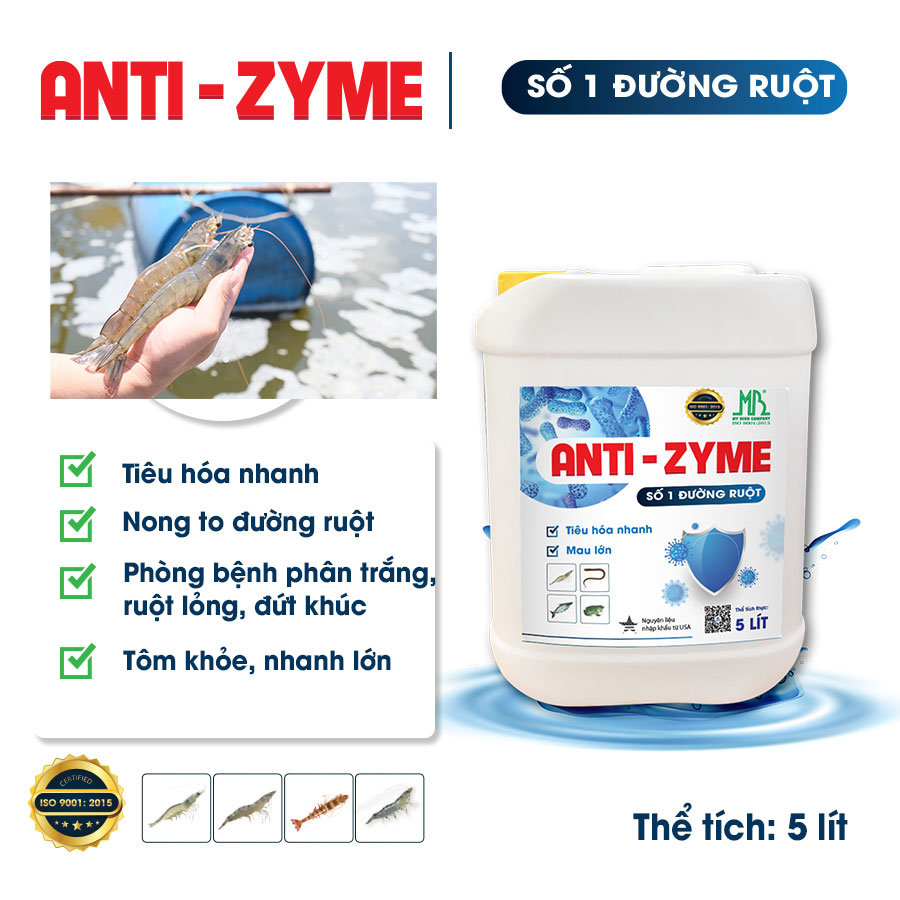
- Supplement digestive enzymes (probiotics) for gut health: When water temperature decreases, the shrimp’s natural digestive enzymes become less active, causing poor digestion and increasing the risk of intestinal diseases. Digestive enzymes help support gut function, allowing shrimp to maximize nutrient absorption from the reduced feed ration, while easing the load on the hepatopancreas and intestines. This improves overall health and enhances shrimp immunity, helping them better withstand stress caused by low temperatures.
3. Strengthening Shrimp’s “Internal” Immunity
The cold season is when shrimp immunity is at its weakest. This creates favorable conditions for Vibrio bacteria and viruses to attack. Farmers should proactively “equip shrimp with internal armor” from the inside out.
Essential supplements include:
- Vitamin C: Helps shrimp reduce stress caused by temperature fluctuations.
- Digestive enzymes (probiotics): Support gut health and improve nutrient absorption, especially when shrimp eat less in cold weather.
- Minerals: Regular mineral application helps shrimp harden their shells faster and prevents common cold-season issues such as body curvature and muscle opacity.
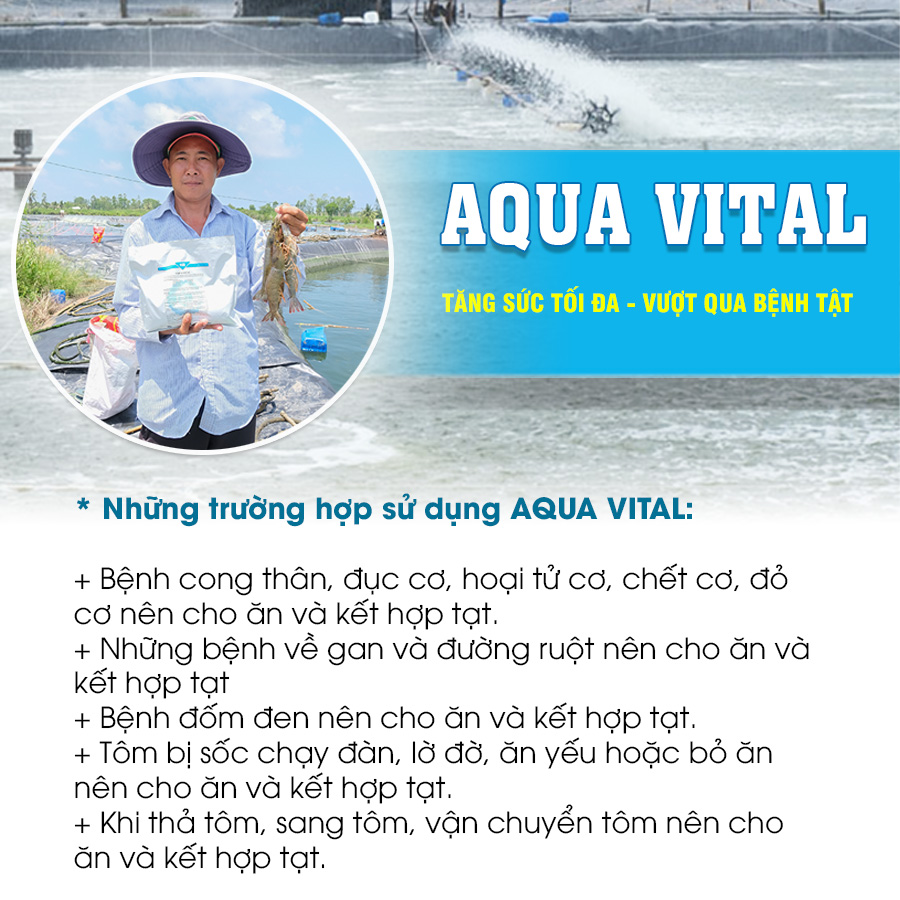
For more comprehensive protection, farmers are strongly advised to supplement AQUA VITAL – an essential mineral blend.
AQUA VITAL not only helps shrimp rapidly harden their shells and prevent body curvature and muscle opacity during cold weather, but also contributes to stabilizing water quality, reducing stress, and enhancing overall immunity—especially critical under harsh weather conditions.
Note: Nutritional supplements should be thoroughly mixed with feed using a suitable binder to minimize leaching into the water.
4. Strict Environmental Management: Bottom Sludge, Algae, and Toxic Gases
The cold season is often associated with reduced sunlight, which lowers algal photosynthesis and easily leads to algal crashes. When algae die off, their biomass settles to the pond bottom and decomposes, producing toxic gases such as ammonia (NH₃) and nitrite (NO₂). These toxins can cause oxygen deficiency, stress, and bottom mortality in shrimp.
Required actions:
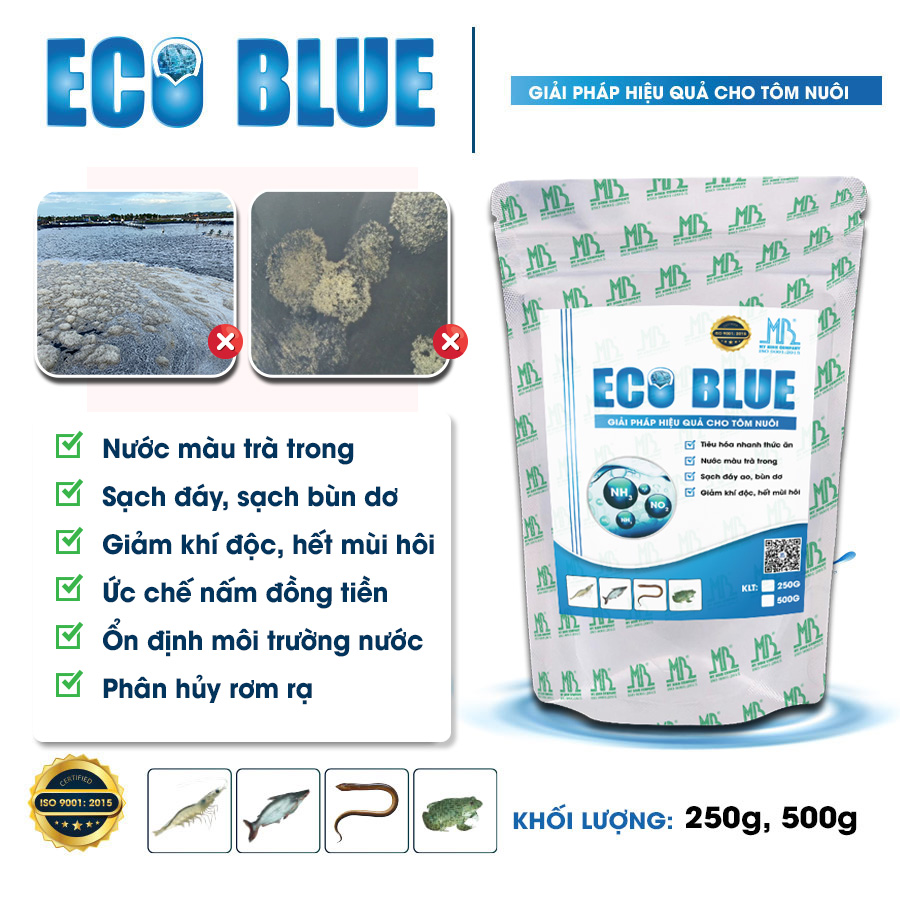
- Apply probiotics for bottom treatment: Increase the population of beneficial microorganisms (such as Bacillus strains) to decompose organic waste, reduce sludge accumulation, and suppress harmful bacteria.
- Enhance aeration and water circulation: Especially at night, to maintain dissolved oxygen levels above 5 mg/L. Proper aeration also helps mix water layers, preventing thermal stratification (cold surface water and warmer bottom water) that can cause stress and shock to shrimp.
5. Be Highly Alert to White Spot Disease (WSSV)
The winter–spring season is considered the “peak season for white spot disease.” White Spot Syndrome Virus (WSSV) develops extremely rapidly at low temperatures (below 25°C). Once a pond is infected, shrimp mortality can reach up to 100% within just a few days.
Early warning signs:
- Sudden reduction in feed intake
- Shrimp swimming sluggishly on the water surface or gathering along pond edges
- Appearance of round white spots on the carapace (cephalothorax) or the last abdominal segments
It is recommended to supplement K-WE (Special) daily in shrimp feed to enhance immune resistance and help prevent the occurrence of white spot disease in shrimp ponds.
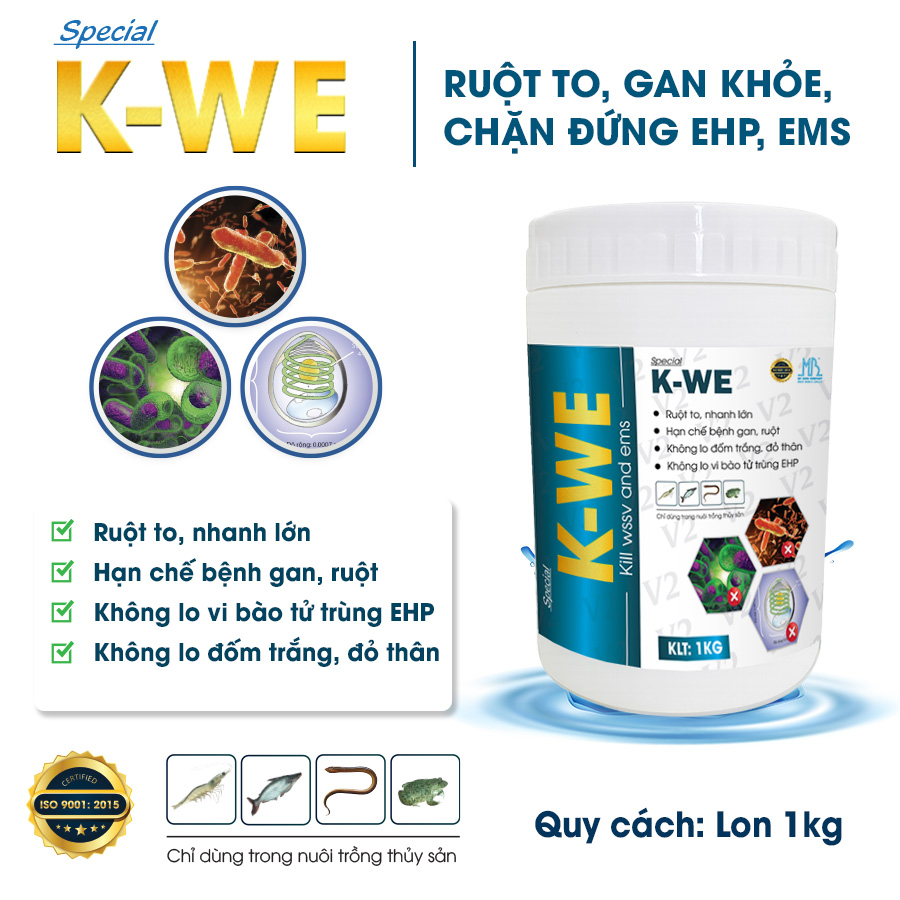
“Prevention is always better than cure” — this saying has never been more true, especially in shrimp farming during the cold season. Following the five principles above will help farmers minimize risks, maintain strong survival rates, and bring shrimp safely to harvest.
If you need detailed consultation on protocols for using probiotics and biological products for shrimp during the cold season, please leave a comment below or contact us directly.
Product & Technical Consultation:
MY BINH EXPORT-IMPORT TRADING LIMITED COMPANY
📲 Hotline: +84 939881532 (WhatsApp)
🌐 Website: https://mybinh.com.vn
🏢 Head Office: 49/11B Tran Hoang Na Street, Tan An Ward, Can Tho City, Vietnam
🏭 Manufacturing Plant: 28T Nguyen Van Quy Street, Hung Phu Ward, Can Tho City, Vietnam