


Pond bottom sludge - The silent enemy in shrimp and fish ponds during the rainy season
Rainwater and accumulated sludge not only pollute pond water but also seriously affect the health of shrimp and fish in aquaculture ponds, causing environmental stress, poisoning, rapid bacterial growth, and making cultured shrimp and fish more susceptible to diseases. So what is the effective solution to help shrimp and fish stay healthy during the rainy season?
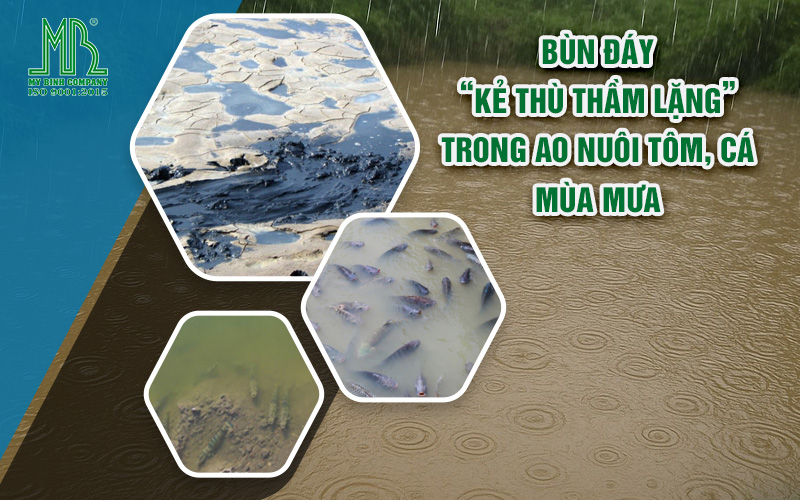
1. Where does bottom sludge in culture ponds come from?
During rainfall, soil, fallen leaves, and plant debris are washed down to the pond bottom, making the water turbid. In addition, uneaten feed and organic waste from shrimp and fish gradually accumulate, causing the bottom sludge layer to become thicker.
On the other hand, heavy rain leads to sudden changes in temperature and pH, which can cause algae to die off rapidly—commonly known as an “algal crash”—and at the same time reduce the natural beneficial microbial population in the pond. Over time, the accumulated bottom sludge generates toxic gases and creates favorable conditions for harmful bacteria to thrive. This is the so-called “silent killer” that directly affects the health of the stock and the productivity of the farming cycle.
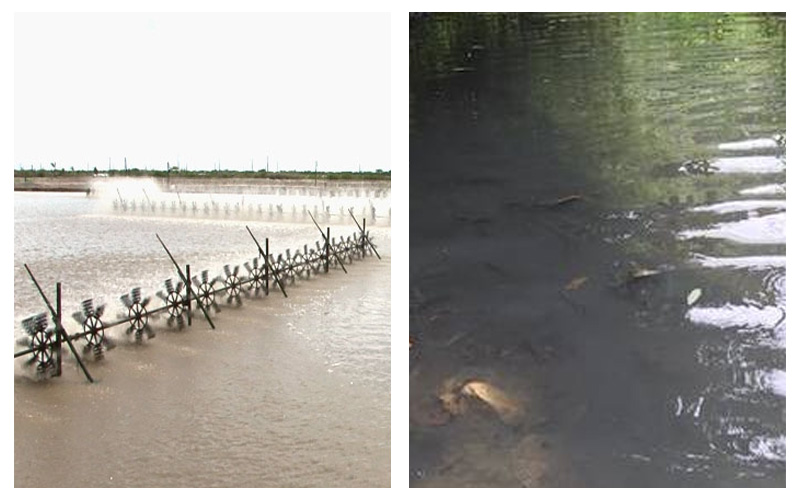
2. How does pond bottom sludge affect shrimp and fish?
The layer of sludge that gradually accumulates at the pond bottom not only deteriorates the culture environment but also causes many serious problems:
- Water pollution: A thick sludge layer generates toxic gases such as H₂S and NH₃, causing foul odors and strong pH fluctuations. This leads to stress, poisoning, surface swimming, and in severe cases, mass mortality of shrimp and fish.
- Increased disease risk: Bottom sludge is an ideal habitat for pathogenic bacteria, parasites, and fungi.
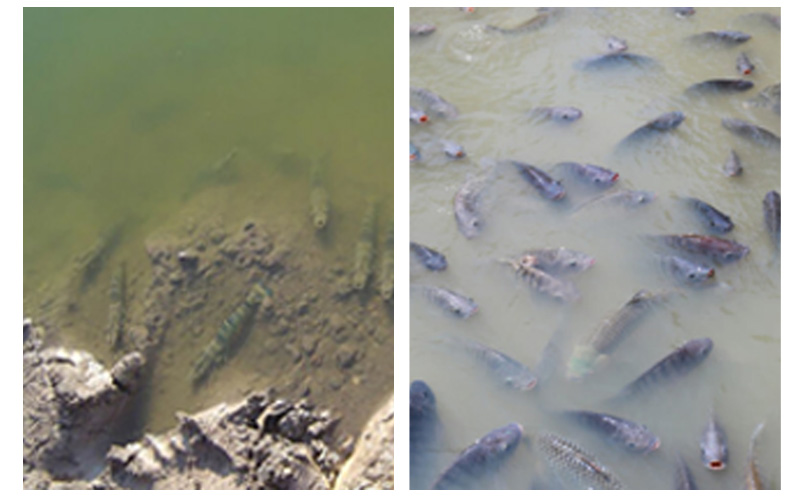
- Reduced dissolved oxygen: As organic sludge decomposes, toxic gases increase and dissolved oxygen levels drop, making shrimp and fish more prone to surfacing.
- Negative impact on growth: Shrimp and fish raised in ponds with thick bottom sludge often grow slowly, have poor feed absorption, soft flesh, and reduced productivity.
3. Effective solutions for managing pond bottom sludge
To minimize the negative impacts of pond bottom sludge during the rainy season, farmers can apply a combination of the following measures:
- Proper feed management: Feed at the correct dosage to avoid excess feed that can accumulate and pollute the pond bottom.
- Pond embankment improvement: Strengthen pond dikes to reduce soil and sand runoff into the pond during heavy rains.
- Regular water exchange: Discharge polluted bottom-layer water and replace it with properly treated fresh water.
- Supplement minerals and lime: Stabilize pH levels and accelerate the decomposition of organic matter.
- Use probiotic products for bottom treatment: This is an optimal, safe, and cost-effective solution.
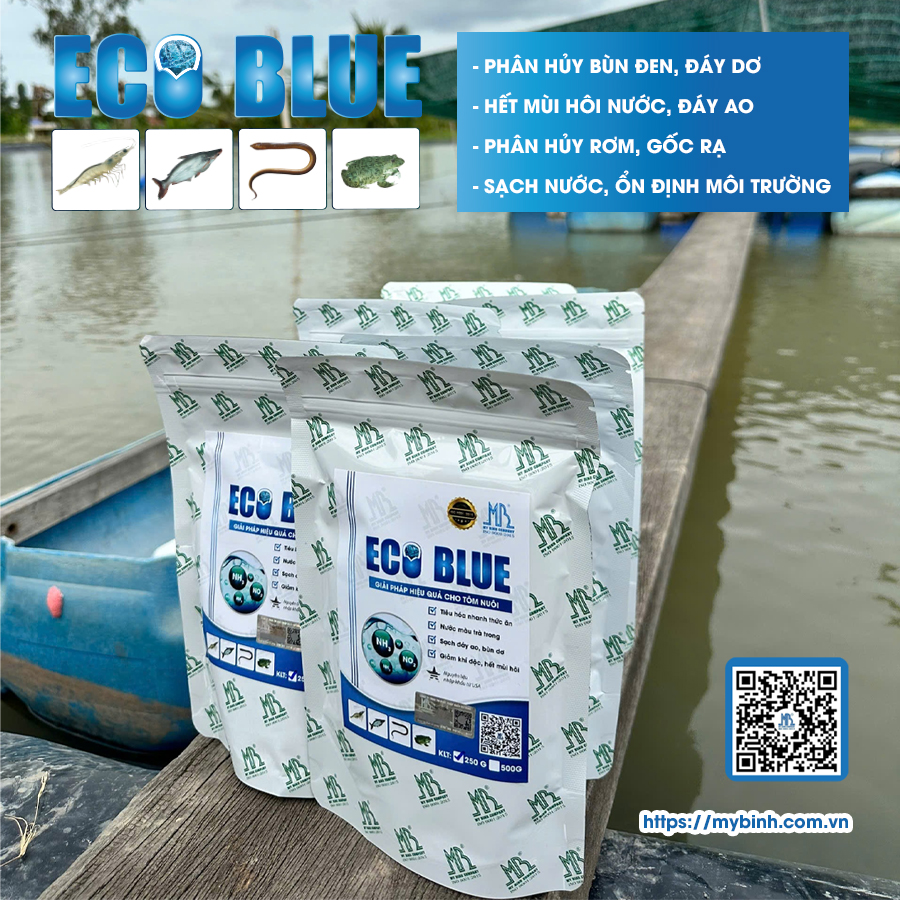
ECO BLUE – Stabilizes the environment, treats bottom sludge, reduces toxic gases, and eliminates foul odors.
In particular, the probiotic ECO BLUE is an effective solution:
- Rapidly decomposes dirty sludge and black bottom sediment after 3 days of application.
- Eliminates foul odors from the water and pond bottom within 1 day of use.
- Makes the pond bottom firmer and more elastic, reducing the need for sludge removal or dredging after each culture cycle.
- Decomposes straw and rice stubble into organic fertilizer after 7 days of application.
- Cleans the water and stabilizes the culture environment within 2–3 days of use.
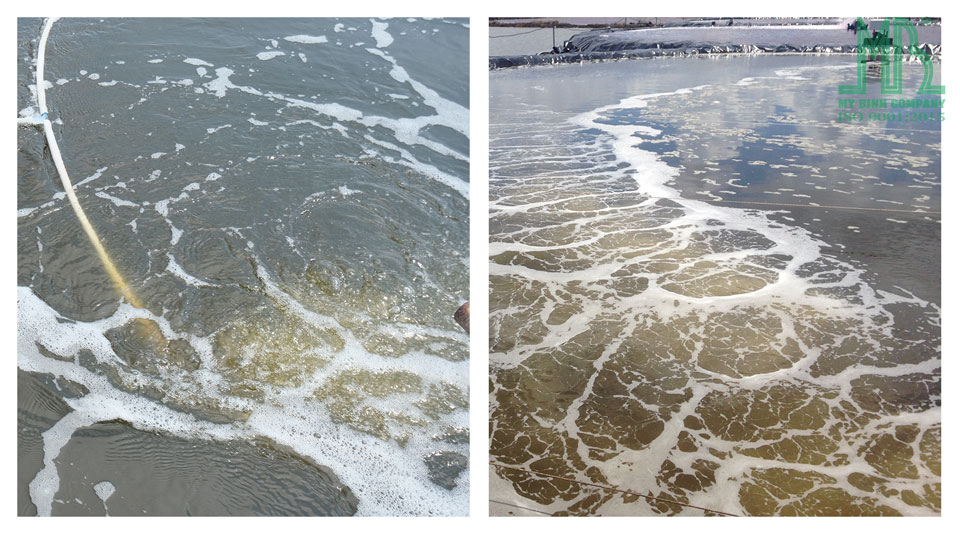
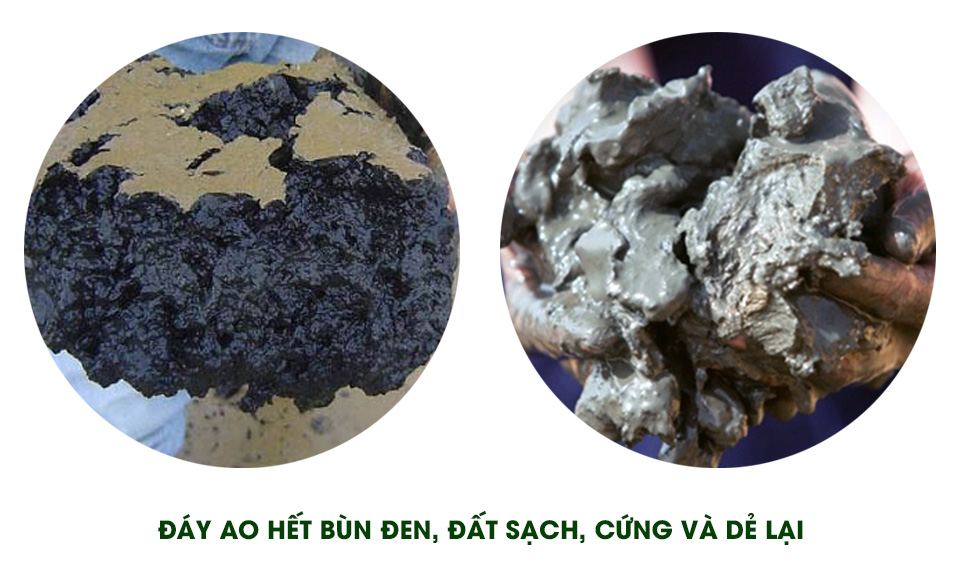
ECO BLUE helps farmers reduce pond preparation costs while maintaining a stable environment for healthy shrimp and fish growth.
👉 Contact My Binh’s technical engineers for professional consultation: +84 939 881 532 (WhatsApp, Line, Zalo, Messenger)