


How to boost shrimp resistance during the rainy season
The rainy season is a challenging period for shrimp ponds due to frequent and sudden fluctuations in water quality parameters. Reduced salinity, unstable pH, elevated toxic gases (especially ammonia and hydrogen sulfide), algal crashes, and the accumulation of organic matter in the pond bottom can cause significant stress to shrimp, leading to reduced feed intake, weakened immunity, and increased susceptibility to disease.
When shrimp immunity declines, they become highly susceptible to a range of health problems, including:
- Poor gut health and loose feces
- Weak hepatopancreas function
- Slow growth and soft shell
- Red body and muscle opacity
- Vibrio bacterial infections
- EHP, EMS, and White Feces Syndrome (WFS)
In particular, after prolonged heavy rainfall, if farmers do not promptly manage water quality and strengthen shrimp health, the risk of mortality can increase rapidly.
Therefore, proactively enhancing shrimp immunity during the rainy season is a critical strategy to maintain crop stability and achieve better production performance.
I. Causes of Reduced Shrimp Immunity During the Rainy Season
1. Sudden Fluctuations in Pond Water Quality
Heavy rainfall can cause:
- Reduced total alkalinity
- Sudden drops in pH
- Water stratification
- Low dissolved oxygen (DO) at the pond bottom
These are among the leading causes of prolonged stress in cultured shrimp.
2. Increased Toxic Gases and Organic Sludge Accumulation
During the rainy season, uneaten feed, dead algae, and organic matter tend to accumulate on the pond bottom. As these materials decompose, they generate toxic gases such as:
- Ammonia (NH₃)
- Hydrogen sulfide (H₂S)
- Nitrite (NO₂⁻)
These toxic compounds can impair hepatopancreatic function, suppress the immune system, and increase disease susceptibility.
3. Rapid Proliferation of Pathogens
Unstable weather conditions create favorable environments for the growth of:
- Vibrio spp.
- Enterocytozoon hepatopenaei (EHP)
- Early Mortality Syndrome (EMS)
- Coin-shaped fungal infections
These pathogens can spread rapidly and significantly affect shrimp health and performance.
II. Effective Strategies to Enhance Shrimp Immunity During the Rainy Season
1. Maintain Stable Pond Water Conditions
A stable pond environment is essential to minimize stress and support shrimp health. Farmers should:
- Monitor pH levels in both the morning and afternoon
- Maintain appropriate total alkalinity
- Increase bottom aeration to improve dissolved oxygen
- Reduce organic sludge accumulation
- Regularly monitor and control toxic gases
In commercial shrimp farming, many farms now prioritize the use of environmental probiotics to improve water quality and clean pond bottoms, rather than relying excessively on chemical treatments.
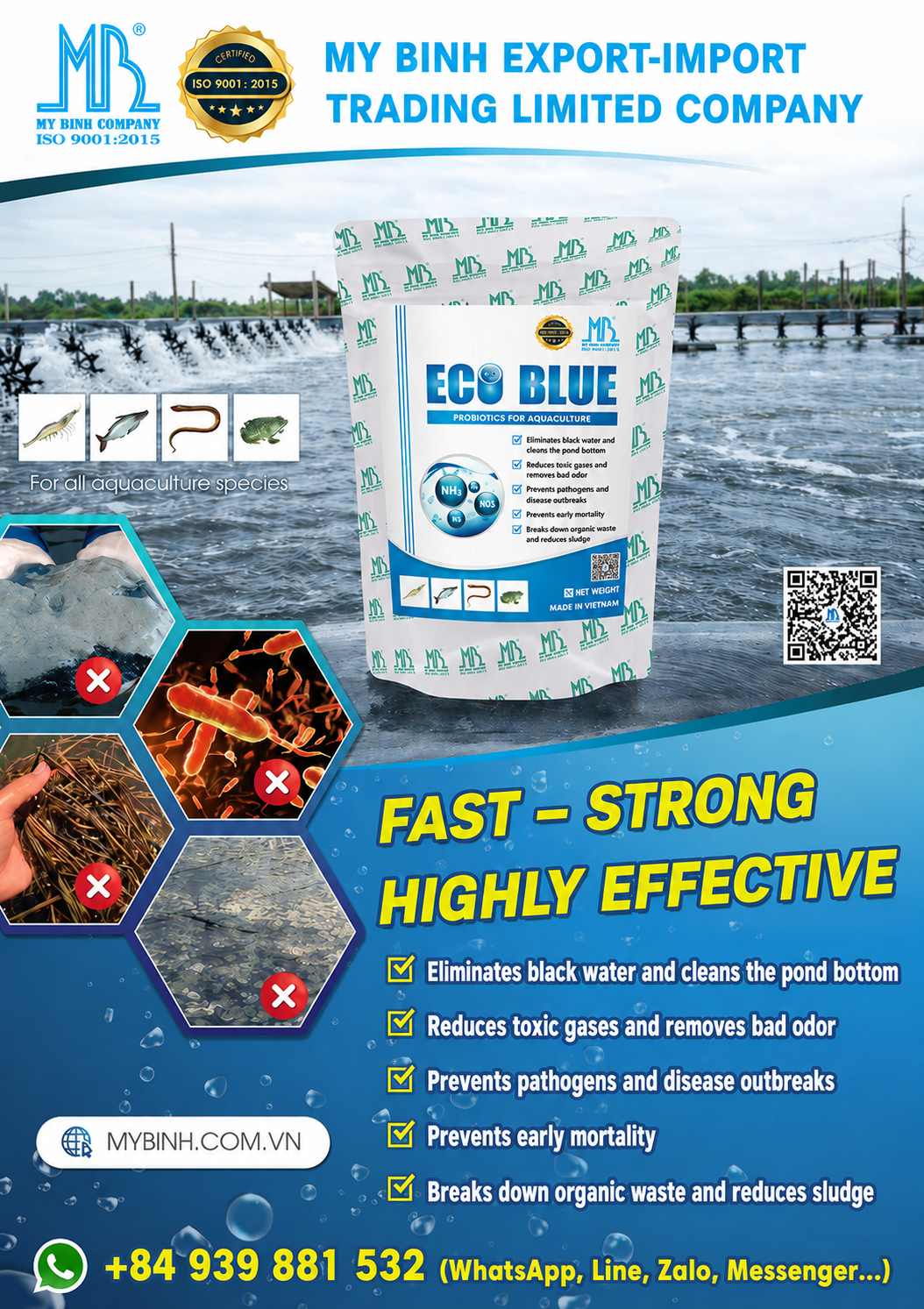
One of the solutions receiving strong interest from shrimp farmers is ECO BLUE, which offers the following benefits:
- Cleans the pond bottom and reduces the accumulation of organic sludge
- Lowers toxic gases and unpleasant odors
- Inhibits the growth of coin fungus (zoothamniosis)
- Stabilizes water quality parameters
- Promotes the decomposition of rice straw and other organic residues
When the pond environment is more stable, shrimp experience less stress and their natural immune response is enhanced.
2. Supplement Vitamins and Electrolytes for Shrimp
After rainfall, shrimp commonly show the following signs:
- Weak swimming activity
- Reduced feed intake
- Soft shell
- Increased susceptibility to environmental shock
This is a critical period to supplement vitamins, minerals, and electrolytes to help shrimp recover quickly and restore normal physiological functions.
Farmers can periodically supplement feed with multivitamin products to:
- Enhance the shrimp’s immune response
- Reduce stress caused by sudden weather changes
- Support recovery after transfer to a new pond or during transportation
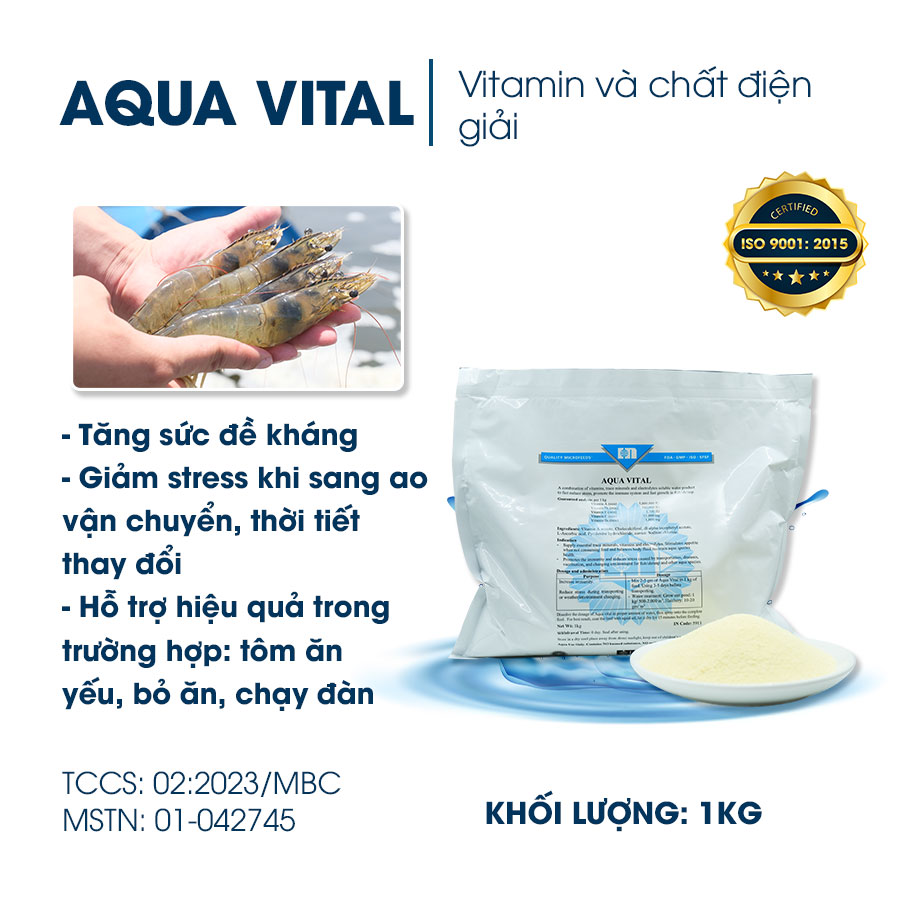
Among these, AQUA VITAL is a vitamin and electrolyte supplement commonly used to:
- Improve shrimp immunity
- Minimize stress during changing weather conditions
- Support weak-feeding or anorexic shrimp
- Help shrimp maintain better health during seasonal transitions
Providing vitamins at the right time helps shrimp recover faster and maintain good feeding activity.
3. Strengthening Gut and Hepatopancreas Health
The hepatopancreas and digestive tract play a critical role in the shrimp immune system. When the gut is healthy:
- Shrimp digest and absorb nutrients more efficiently
- Growth performance improves
- The risk of white feces syndrome and other intestinal disorders is reduced
During the rainy season, farmers should:
- Reduce feed input during unfavorable weather
- Supplement probiotics or digestive enzymes regularly
- Control harmful bacteria in the intestinal tract
Several gut-health products are currently used to help reduce the risk of major diseases such as:
- Enterocytozoon hepatopenaei (EHP)
- Early Mortality Syndrome (EMS/AHPND)
- Hepatopancreatic and enteric diseases
Maintaining a healthy digestive system is essential for improving disease resistance and maximizing shrimp performance under stressful environmental conditions.
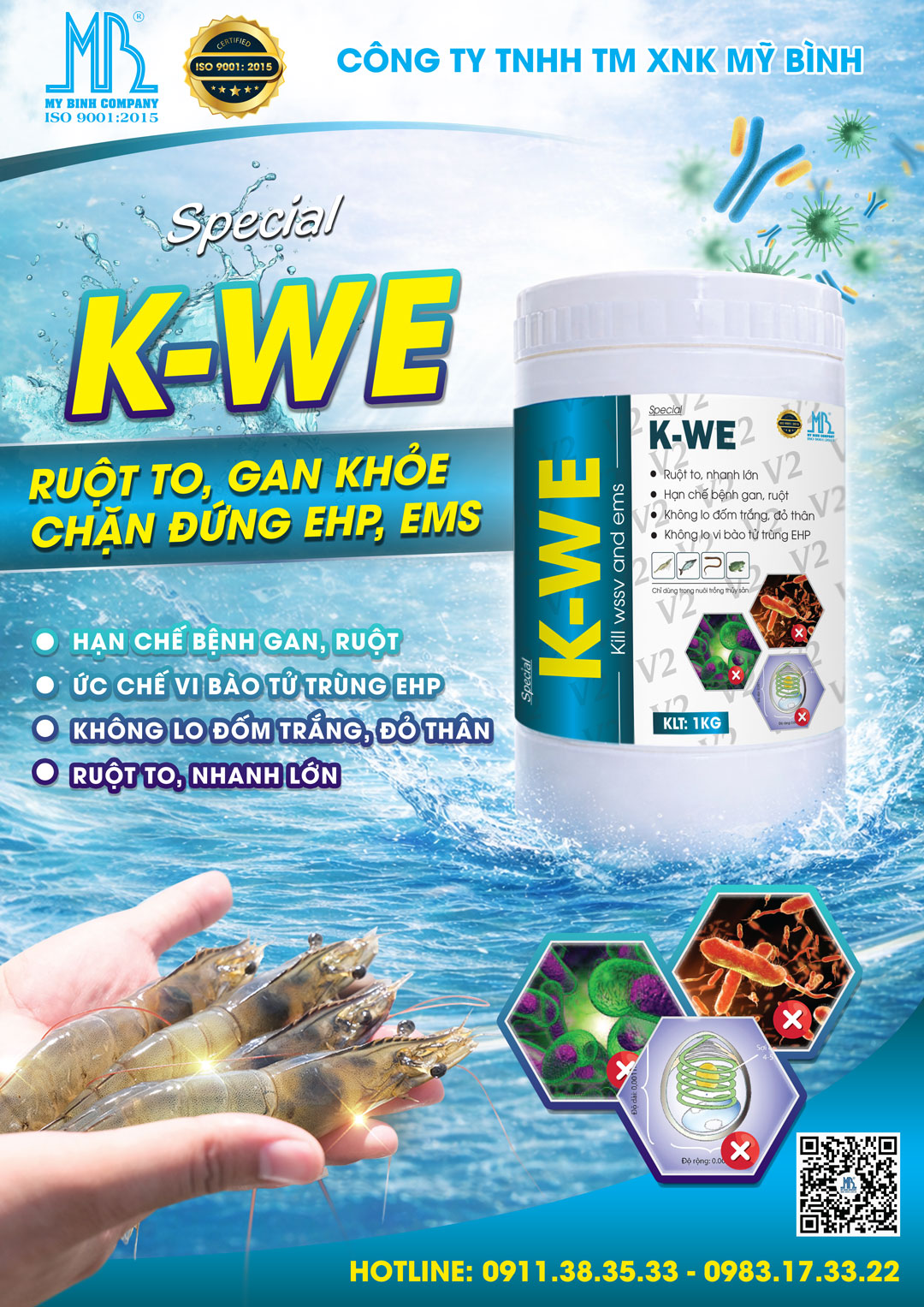
K-WE is widely recognized by shrimp farmers for the following benefits:
- Promotes fuller intestines and improves nutrient absorption
- Supports the prevention of hepatopancreatic and intestinal disorders
- Helps reduce the risk of White Spot Disease (WSSV) and red body syndrome
- Assists in controlling Enterocytozoon hepatopenaei (EHP) infections
When the digestive system is healthy, shrimp can develop stronger natural immunity and maintain stable growth, even under adverse weather conditions.
III. Important Management Tips for Shrimp During the Rainy Season
1. Avoid Overfeeding After Rain
After heavy rainfall, shrimp typically reduce their feed intake. Overfeeding during this period may result in:
- Excess uneaten feed
- Increased toxic gases such as ammonia and hydrogen sulfide
- Deterioration of pond bottom conditions
Feed trays should be checked regularly to adjust feeding rates accordingly.
2. Increase Aeration at Night
Rainy weather often causes dissolved oxygen (DO) levels to drop significantly, especially in the early morning.
Farmers are advised to:
- Start paddlewheel aerators earlier in the evening
- Increase bottom aeration
- Minimize water stratification
These measures help maintain shrimp health and reduce the risk of surface swimming due to oxygen depletion.
3. Monitor Shrimp Health Regularly
Routine observation should focus on:
- Hepatopancreas condition
- Intestinal fullness and integrity
- Water color
- Feeding activity
If shrimp exhibit reduced feed consumption, broken or empty intestines, or surface swimming, corrective action should be taken promptly to prevent disease outbreaks.
IV. Integrated Solutions to Strengthen Shrimp Health During the Rainy Season
To effectively enhance shrimp immunity, farmers should implement a comprehensive management approach that includes:
- Stabilizing water quality
- Reducing toxic gases in the pond bottom
- Supplementing vitamins and electrolytes
- Supporting hepatopancreatic and intestinal health
- Managing feed appropriately
A combined strategy using ECO BLUE for water and pond bottom treatment, AQUA VITAL for vitamin supplementation, and K-WE for digestive support can help maintain pond stability during unfavorable weather conditions.
The rainy season is a particularly sensitive period in shrimp farming. Without proper management of water quality and shrimp health, the risk of disease outbreaks and production losses increases significantly.
Proactively strengthening shrimp resistance through environmental stabilization, vitamin supplementation, digestive health support, and toxic gas control can provide the following benefits:
- Healthier shrimp
- Reduced stress
- Lower disease risk
- Improved survival rate and production performance
Farmers should closely monitor their ponds and apply appropriate technical solutions to ensure stable shrimp growth throughout the rainy season.
For technical consultation tailored to each culture stage and actual pond conditions, please contact My Binh Company.
..................................................
MY BINH IMPORT EXPORT TRADING CO., LTD.
📱 WhatsApp / Line / Zalo / Messenger: +84 939 881 532
🌐 Product Information: Contact us for detailed specifications and technical guidance.
🏢 Head Office: 49/11B Tran Hoang Na Street, Tan An Ward, Can Tho City, Vietnam
🏭 Manufacturing Plant: 28T Nguyen Van Quy Street, Hung Phu Ward, Can Tho City, Vietnam